Case study · Metalworking and parts manufacturing · Kazakhstan
MetizPromServiceA factory saves $300,000+ a year and halved its IT costs after two engineers I hired replaced its contractors
MetizPromService machines parts to customers' drawings in Kazakhstan. When I joined, contractors ran its IT and its accounting, production and lathe-control systems, and the company paid for outside software and licences. I built its own infrastructure, hired and trained two engineers, and we replaced every paid production system with an ERP and CRM of our own, with the ERP live in 3 months. The company now saves more than $300,000 a year on software, spends over 50% less on IT than the contractors cost, salaries included, and its CNC machines stand idle 23% less, with half as many unplanned repairs.
- Client
- MetizPromService
- Industry
- Metalworking and parts manufacturing
- Country
- Kazakhstan
- My role
- Fractional CTO
- Team
- 2 in-house engineers
- Website
- mpa.kz
In numbers
- cut from the software and licence bill, every year
- $300k+
- less spent on IT, the team included, than the contractors cost
- 50%+
- CNC machine downtime, with AI monitoring every machine
- −23%
- fewer unplanned repairs, thanks to predictive maintenance
- 2×
- to launch the factory's own ERP, with no licence fees after it
- 3 months
- of paid production software replaced with our own, no vendor lock-in
- 100%
What the company makes
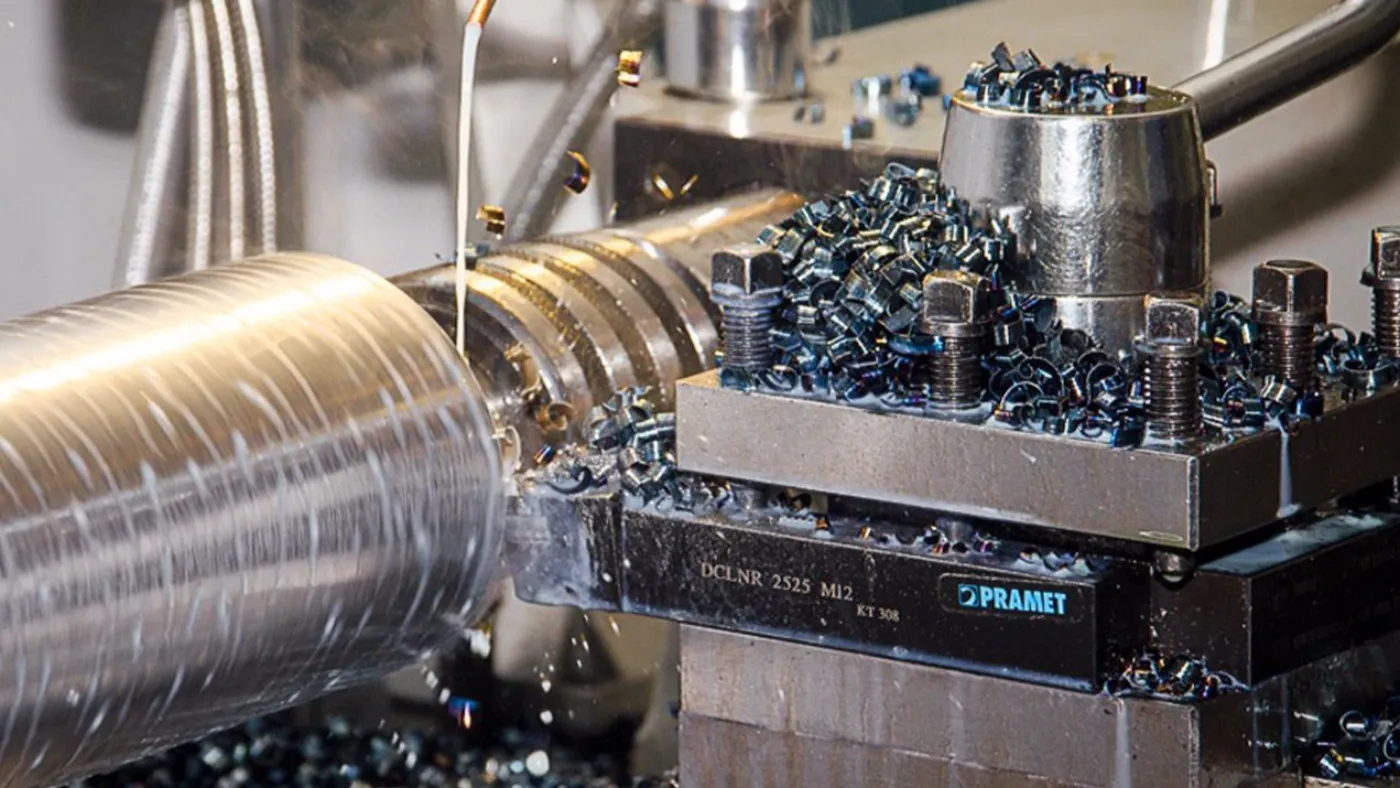
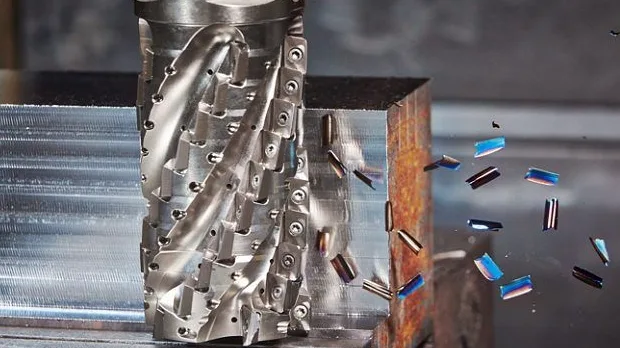
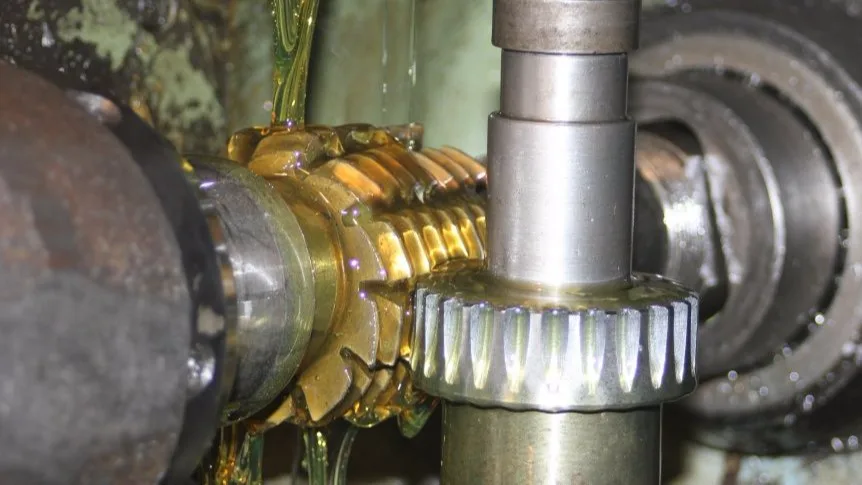
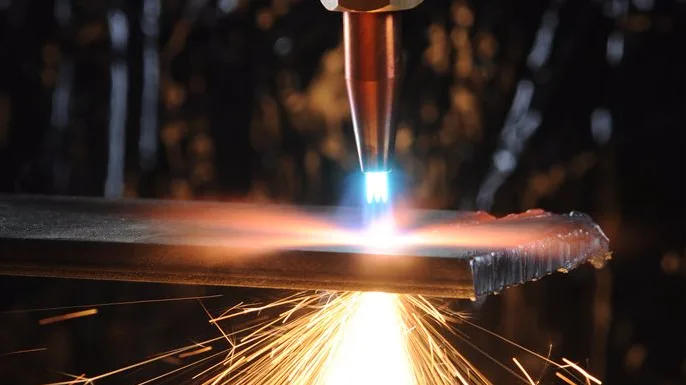
Turning, milling, gear cutting and plasma cutting to customers' drawings. Pictures from the company's site, mpa.kz.
The starting point
MetizPromService makes parts and assemblies to customers' drawings on turning, milling, drilling, sawing and plasma-cutting equipment. Accounting and production systems run behind the shop floor.
When I joined, the company had almost no IT infrastructure of its own. Contractors set up its IT and supported the accounting, production and lathe-control systems, and the company paid for outside software and licences to run production. Every change depended on outside vendors, and so did a large share of the budget.
What we did
Own IT infrastructure, built from scratch
I designed and deployed the company's own IT infrastructure, so keeping it running no longer depends on contractors or their invoices.
Two engineers with AI tools replace the contractors for less than half the cost
I hired two engineers and trained them to work with AI tools. We hit the first goals within a few months, and the team now runs the work on its own: two people cover what a factory usually pays an outside IT firm to do, and IT costs more than 50% less than the contractors did, salaries included.
AI on the shop floor: 23% less downtime, half the unplanned repairs
AI now helps control the CNC machines and monitors them, which cut machine downtime by 23%. It also plans predictive maintenance, so a machine gets serviced before it fails instead of stopping production, and unplanned repairs fell by half.
An ERP and CRM of its own, the ERP live in 3 months, with no licence fees
Under my lead, one of the engineers built the internal ERP and CRM, with the ERP running in 3 months, and he keeps automating the rest of the company's work. Factories usually rent systems like these and keep paying for them; this one owns its own.
Paid software replaced, $300,000+ saved a year
Every outside system the company paid for to run production moved to software we built. Software and licensing costs fell by more than $300,000 a year, a saving that comes back every year.
The result
The factory now owns its infrastructure and its software, and it keeps more than $300,000 a year that used to go to vendors. Two in-house engineers run both for less than half of what the contractors cost, and the CNC machines stand idle 23% less, with half as many unplanned repairs.
| The result | Before | After |
|---|---|---|
| IT infrastructure | Barely any, run by contractors | The company's own |
| IT team | Outside contractors | 2 in-house engineers with AI tools |
| IT costs, team included | What the contractors cost | 50%+ lower |
| Production software | Paid outside systems and licences | Our own ERP and CRM, the ERP live in 3 months |
| CNC machines | Control systems run by contractors | AI control, monitoring, predictive maintenance |
| Downtime and repairs | Machines serviced after they failed | Downtime 23% lower, unplanned repairs halved |
| Software and licences | Paid to outside vendors | $300,000+ a year less |
What comes next
The engineer who built the ERP and CRM keeps automating the processes that people still do by hand, so less and less of the work stays manual.
Full case · PDF
MetizPromService
A factory saves $300,000+ a year and halved its IT costs after two engineers I hired replaced its contractors
- 01The infrastructure we built, with diagrams
- 02Hiring two engineers and training them on AI tools
- 03What the in-house ERP and CRM cover
- 04AI for CNC machines: control, monitoring, predictive maintenance
- 05Which paid systems we replaced, and where the $300,000 a year comes from
- 06The first months, step by step
The full MetizPromService case
The public story stops here. The PDF has the rest: the architecture before and after, the migration plan, how the team works with AI agents, what it all costs to run and where the savings came from.
More case studies
All case studiesWant the next case study to be about your company?
In a 30-minute call we pick the first task to hand to AI and estimate what it will save you.