Make your next technical decision with confidence
Work through architecture, hiring and product choices with a founder who has made those calls. Bring the decisions that need a second pair of eyes.
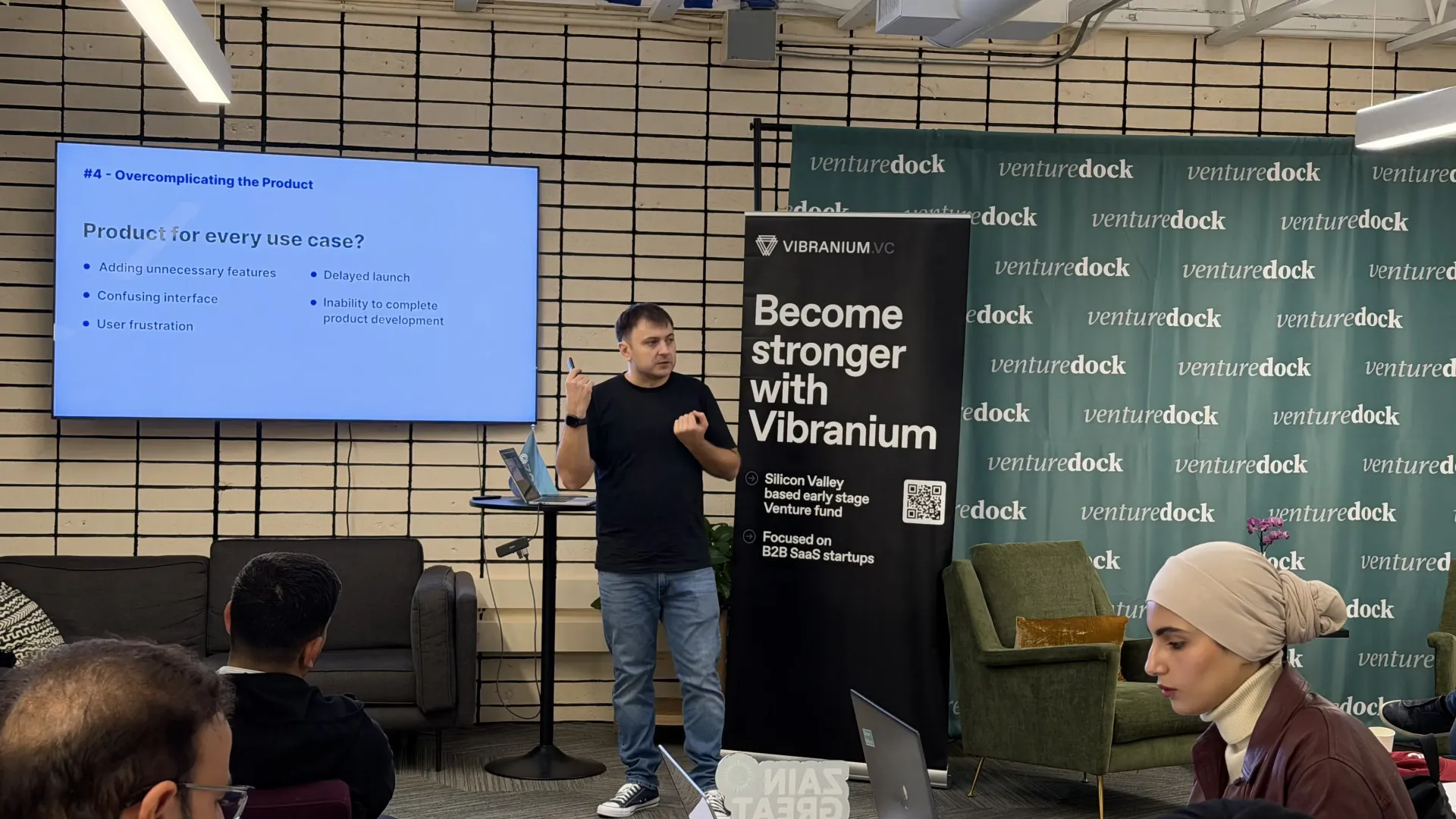
A startup technical advisor is a senior engineer or CTO who gives founders judgment on architecture, hiring, and technology spend on a recurring basis, without joining the company as an operator. Oleg Sotnikov advises founders on a month-to-month engagement covering weekly strategy calls, architecture and code review, hiring support, and async access by Telegram or email between calls. Scope and commercial terms are agreed after a free first conversation.
What the Advisory Covers
Six kinds of decision that show up on nearly every retainer.
Architecture and stack decisions
Build or buy, monolith or services, which database, when a rewrite is worth it. You get the reasoning along with the answer, so your team can defend the choice after the call ends.
Hiring: sourcing, interviews, offers
I help write the role, screen candidates, run the technical interview, and shape the offer. Your first few engineers set the bar for everyone hired after them, and that bar is hard to raise later.
Translating tech for investors and the board
Diligence questions, board slides, the technical half of a raise. I help you describe what you built in terms investors already trust, and flag what they will push on before they do.
AI adoption guidance
Where AI removes real work from your product and your team, and where it buys a demo in exchange for a maintenance burden. I operate a platform that processes 11B+ tokens a month, so this comes from running it rather than reading about it.
Vendor and agency oversight
Review of agency contracts, statements of work, and what the outsourced team actually delivered against them. With nobody in-house who can read the code, this is the easiest place in a startup to overpay.
A founder sounding board
An independent perspective on options, risks and consequences before you commit time and money.
How the Retainer Works
Intro call
A free 30-minute call about where the company is, what's actually blocking it, and whether you need an advisor or a hands-on fractional CTO. If it's neither, I'll tell you that on the call.
Weekly cadence
One call a week at a fixed time, plus async access by Telegram and email in between. Much of the value moves through the async channel: decisions rarely wait politely for Thursday.
Compounding context
By the third month I know your codebase, your team, and the arguments you've already had. Answers get faster and more specific, which is the part a one-off consultant can never sell you.
Why Me
- Nine startups founded and two exits — the founder's side of this is lived experience for me, not a case study
- 25+ years leading engineering, including platforms serving users in 190+ countries at 99.99% uptime
- I mentor accelerator cohorts and their portfolio founders, so the same decisions pass in front of me across many companies at once
Frequently Asked Questions
What does a technical advisor do for a startup?
A startup advisor with an engineering background gives founders senior engineering judgment on a recurring basis without taking an operating role. In practice that means architecture and stack decisions, reviewing what the team ships, running technical interviews, and being the person a founder checks a decision against before committing to it. Managing the team and owning delivery stay with the founder.
Technical advisor or fractional CTO — which do I need?
Advisory buys judgment; a fractional CTO buys execution. If you have a team that ships and you need someone senior to pressure-test decisions and help you hire, advisory is usually the right shape. If nobody owns engineering — no roadmap, no hiring plan, nobody accountable for delivery — you likely need hands-on fractional CTO leadership instead.
How much does a technical advisor cost?
Advisory runs month to month, so you can stop at the end of any month. It covers weekly strategy calls, architecture and code review, hiring support, and async access in between. We agree the scope and commercial terms after a free first conversation, before work starts.
How do advisor compensation models work?
Three arrangements are common in the market: a monthly cash retainer, an equity grant vesting over a set period under a standard advisor agreement, or a hybrid of the two. Equity tends to suit pre-revenue companies with no cash and a light time commitment; a cash retainer suits companies that want real weekly hours and a clean way to end it. The free advisor agreement template on this site works for whichever model you pick.
How much of your time do we get?
A few hours a week: a scheduled call plus async questions in between. That is the point of the format: an advisor is there for the decisions that shape your next six months, not for the daily standup. Founders who need substantially more hours than that are usually describing a fractional CTO engagement.
Get a Senior Technical Voice in the Room
A free 30-minute call to work out whether an advisor is what you need. If another format fits better, I'll say so.
Month to month. You can end the engagement at the close of a month.
Let’s discuss your project
A free 30-minute call with Oleg to discuss your situation and choose a practical first step. No commitment.
A couple of sentences is enough: what does your company do, and what do you want to improve?
Related reading
Notes on hiring, architecture calls, and the AI decisions founders face early.


