Let AI do your administrative and assistant work
Enquiries, documents, reports and data updates. I build AI agents on my framework to carry out these functions automatically in your business systems.
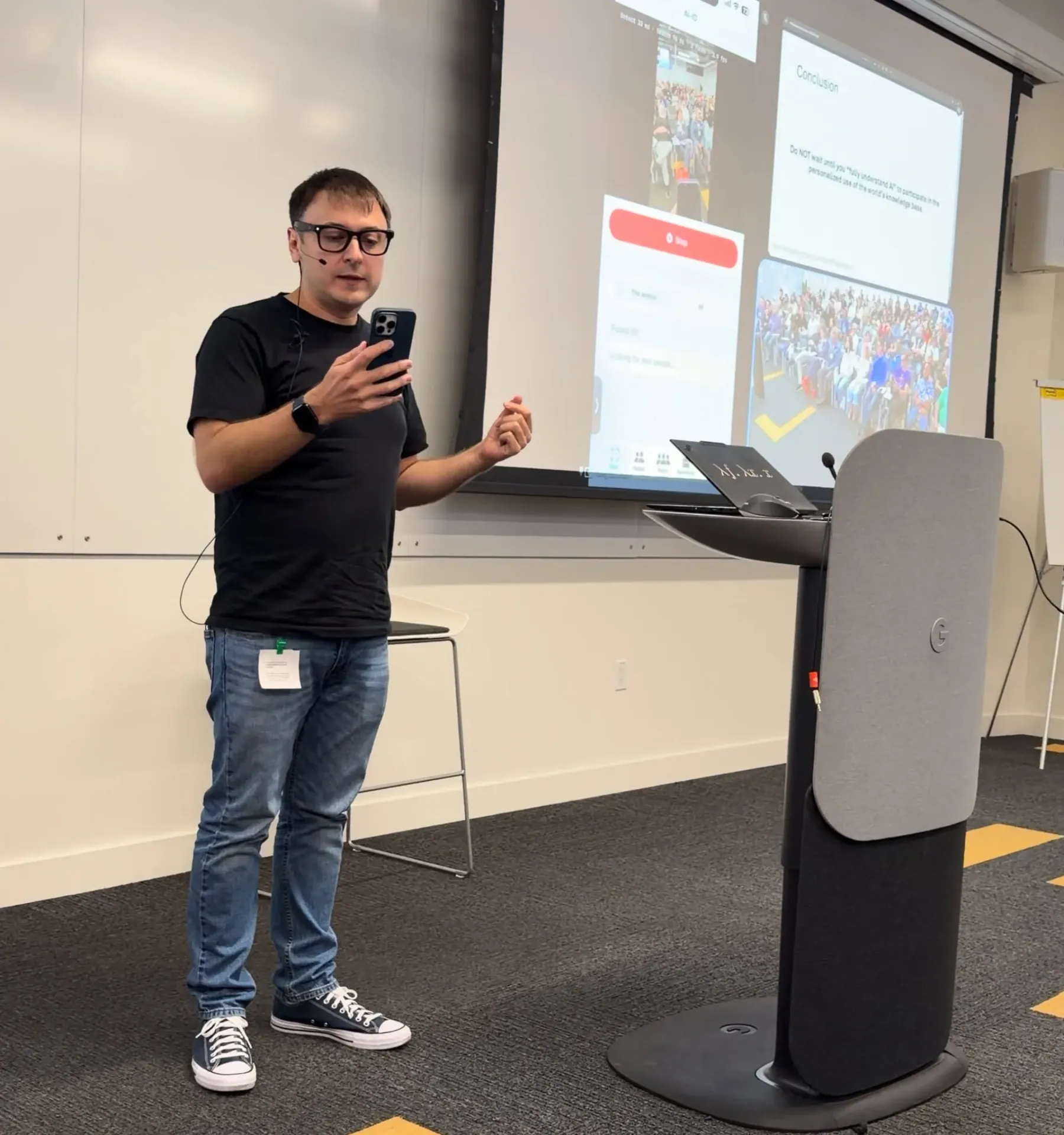
AI agents replace manual employee workflows inside your CRM, ERP and other business systems. An agent receives a task, finds the data, performs the actions and saves the result. I design the workflow, implement it on my framework and train your team. I use this approach at AppMaster, where the team went from 25 people to 2.
You can start with your phone line: enquiries, confirmations and bookings. Voice-agent implementation scope is agreed before work starts. See the AI receptionist package
How AI gets work done in your business
I build the system around your workflows, from the incoming task to the finished result.
Works in your CRM, ERP and internal tools
Receives enquiries, updates records, prepares documents and passes tasks on. I connect the systems your employees use today.
Completes the workflow
I connect the steps: receive a request, find the data, act and save the result. Agents pass work to each other without staff copying information between systems.
Permissions and guardrails
Least privilege per agent, scoped credentials that expire, and an audit trail of every action with the input that caused it. My open-source sallyport vault follows the same pattern: the agent gets the operation, never the key.
Uses your company’s knowledge
Finds answers in your documents and records, and follows your rules and templates. I connect the knowledge sources and test the results on your actual tasks.
Human-in-the-loop by design
Approval gates in front of anything expensive to get wrong: refunds, contracts, messages a customer will read. The agent prepares the work, a person signs it off, and gates come down later only when the logs have earned it.
Shows the results and running costs
You can see completed tasks, AI costs and cases that need attention. I set up monitoring and checks so your team can run the automation.
How It Works
Map the workflow and permissions
We take one real workflow end to end: who does what today, which systems it touches, and what an agent may and may not do in each. You get a design with the permission model already decided, not a slide deck.
Build and orchestrate against real cases
Agents get built against your actual tickets, records, and edge cases rather than a clean demo set. Orchestration, retries, and human handoffs arrive as soon as there is more than one agent in play.
Test and launch
Before launch, we set up quality checks and monitoring. Your team gets the code, dashboards and an operating guide. Ongoing technical support is agreed separately.
Why Me
- AppMaster runs on an AI-first team of two people, down from 25, with agents in production processing 11B+ tokens a month at 99.99% uptime
- I build and maintain open-source agent infrastructure: sallyport, a Mac vault that runs authenticated actions for AI agents over MCP, so a credential never has to sit inside a prompt
- 25+ years integrating enterprise systems, starting in enterprise IT in the 2000s, across 1,000+ projects and 9 startups founded
Related Work
The pieces around an agent program, each with its own page.
Frequently Asked Questions
What are enterprise AI agents?
Enterprise AI agents are software agents that carry out multi-step work inside a company's systems instead of only answering questions in a chat window. A support agent reads the ticket, looks up the account, updates the record, drafts the reply, and escalates anything outside its remit. What makes them enterprise-grade is the permission model, the audit trail, and the evals around them; the choice of LLM matters less than people expect.
What is AI agent orchestration?
AI agent orchestration is the layer that coordinates several agents and the people working alongside them. It routes each task to the agent that should handle it, retries or reroutes failures, keeps state across steps that may take minutes or days, and hands work to a human at defined points. Without it you have a collection of demos that each work alone, and no view of what the system did as a whole.
How are custom AI agents different from an AI receptionist?
The AI receptionist is a productized single-purpose agent: it answers the phone, books meetings, and qualifies leads. Custom enterprise agents are a different shape of work — several agents across several systems, your permission model, your workflows — so they are scoped per engagement. If phone answering is the whole job, start with the voice-agent implementation.
How do you keep AI agents safe?
Least-privilege credentials so each agent can only touch what its job requires, approval gates in front of actions that move money or reach a customer, an audit trail of every action with the input that triggered it, and evals that run on each change so behavior drift surfaces before customers meet it. Credentials stay out of the agent entirely: my open-source sallyport vault runs the authenticated action and returns the result, so the agent gets the operation and never the key.
How much do enterprise AI agents cost?
Scoped per engagement, because the work sits in your systems and permissions rather than in the model. Most companies start with a Team & AI Audit or an AI proof of concept on a single workflow, which clarifies the build before anyone commits to it. Ongoing agent work can run inside a fractional CTO engagement.
Which function should AI take over first?
Tell me about recurring work you currently pay employees to do. On the call, we’ll choose a first workflow and discuss implementation.
30 minutes, free. You work directly with me.
Let’s discuss your project
A free 30-minute call with Oleg to discuss your situation and choose a practical first step. No commitment.
A couple of sentences is enough: what does your company do, and what do you want to improve?
Related reading
Agents in production, MCP integration, and what it takes to run them safely.


