Client case studies
Launched in weeks. Run by a fraction of the usual team.
27 companies I have worked with as fractional CTO: what we built, what it saved and what got better, in numbers. Start with the case study closest to your company. The short version is open to everyone. The full case, with the architecture, the costs and the team plan, I send personally as a PDF.
ResultsThe strongest figure from each of eight case studies
- 70,000+users in 100+ countries, served by a team of twoKoder.ai
- 168B+tokens processed in 29.5M+ API requests, counted live on its siteAIRouter
- 29Mguests registered a year, across every CIS countryEMIS
- $500k+a year from a product built by a team of sixEast CNC
- $350k+a year in revenue from a team of threeSEOBoosty
- $300k+cut from the software and licence bill, every yearMetizPromService
- 80 → 12people: a sixth of the team now carries the workSaaS Production
- 92%of calls closed by the AI operator, with no human on the lineCallbrain
01 · Latest case study
Aula
Three releases a day instead of one in four months, 3 people doing the work of 16, and a cloud bill down 70%
Aula is one app for apartment residents and the 109 companies that manage their buildings, with 247,000 accounts. As fractional CTO I rebuilt how the product is made and run: development and testing went from 16 people to 3, the servers from 18 to 3, the cloud bill fell by 70% and errors in the mobile app by 97%. A task now reaches production in a day instead of 2 to 3 weeks, and the product ships three times a day at 99.99% uptime, a pace most in-house teams never reach.
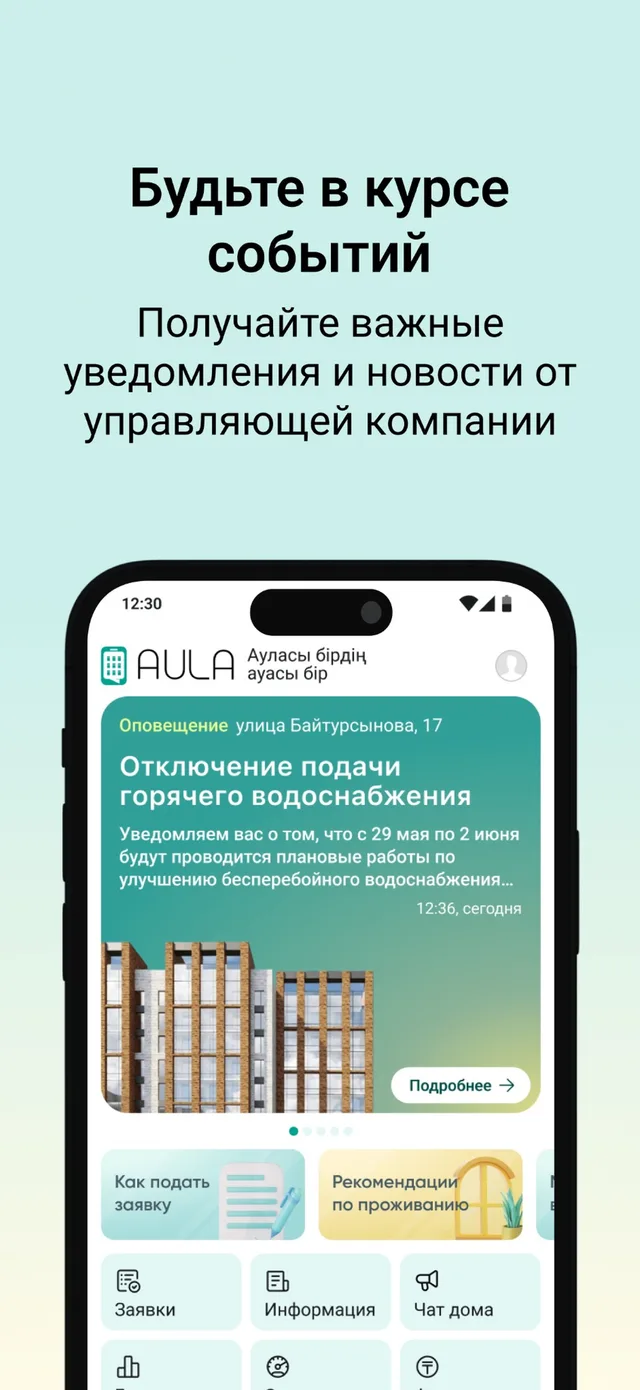
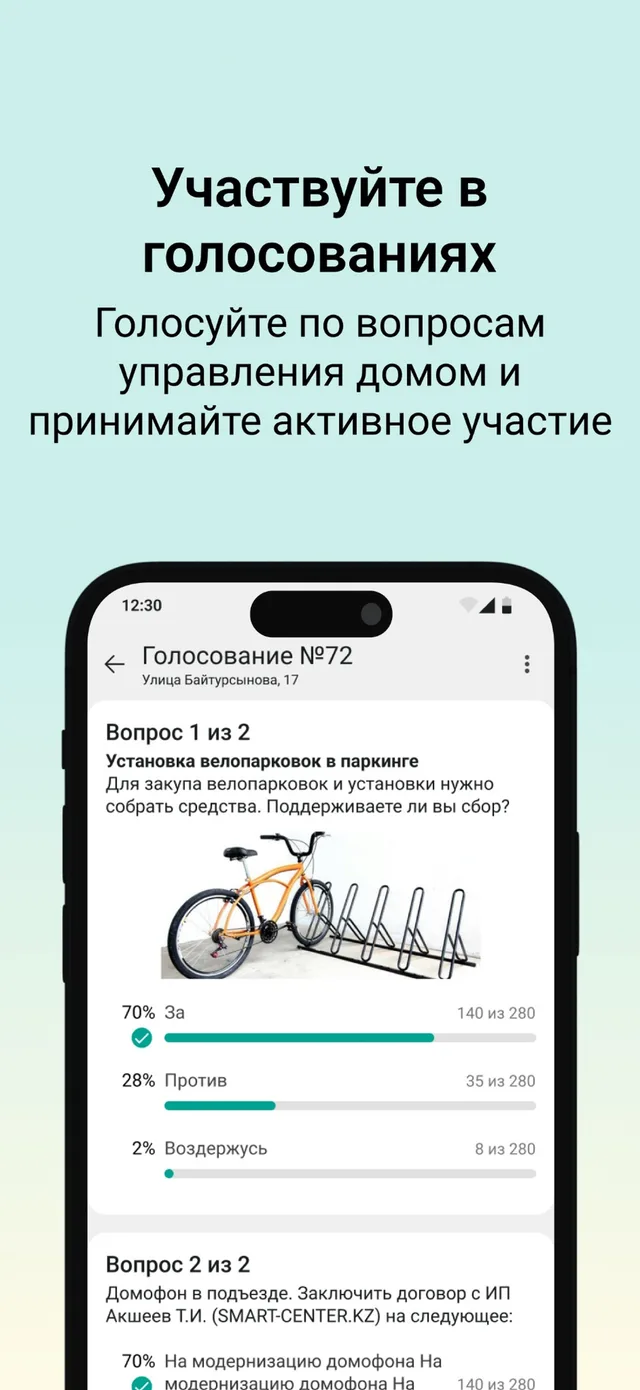
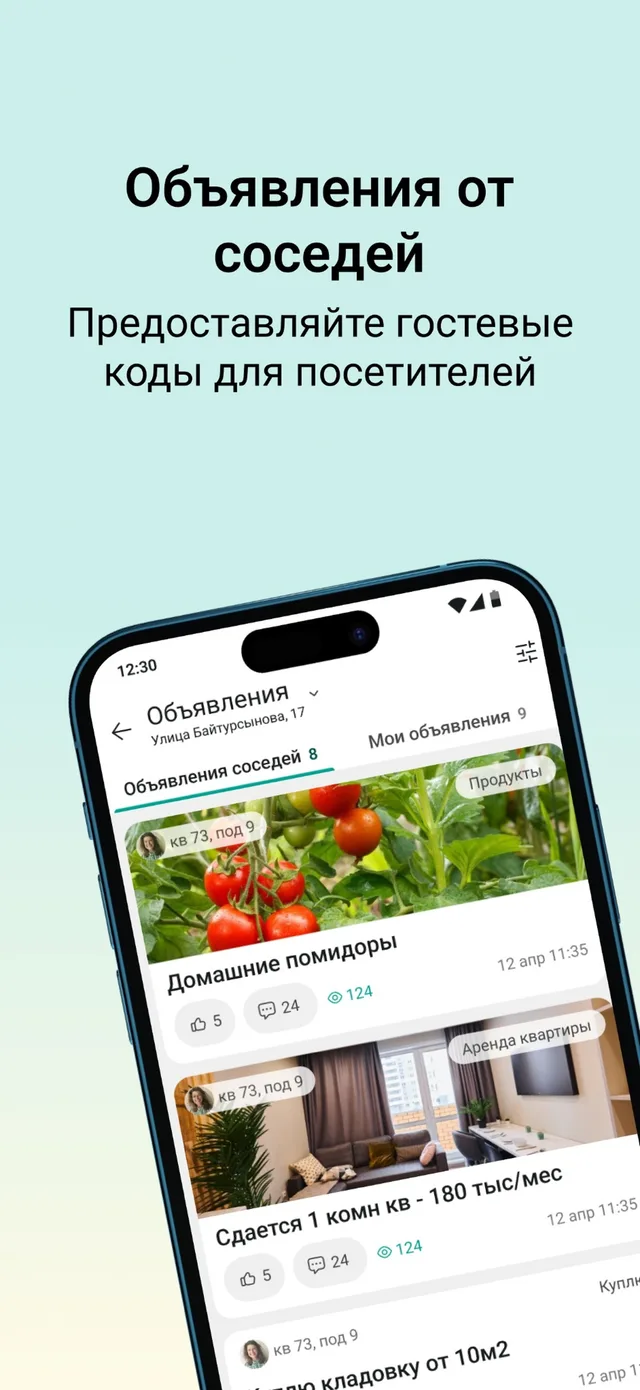
- releases, up from one every four months, a pace few teams reach
- 3 a day
- people now do the development and testing that took 16
- 16 → 3
- cloud bill after I cut the servers from 18 to 3
- −70%
- from task to production, down from 2 to 3 weeks
- 1 day
Case studies
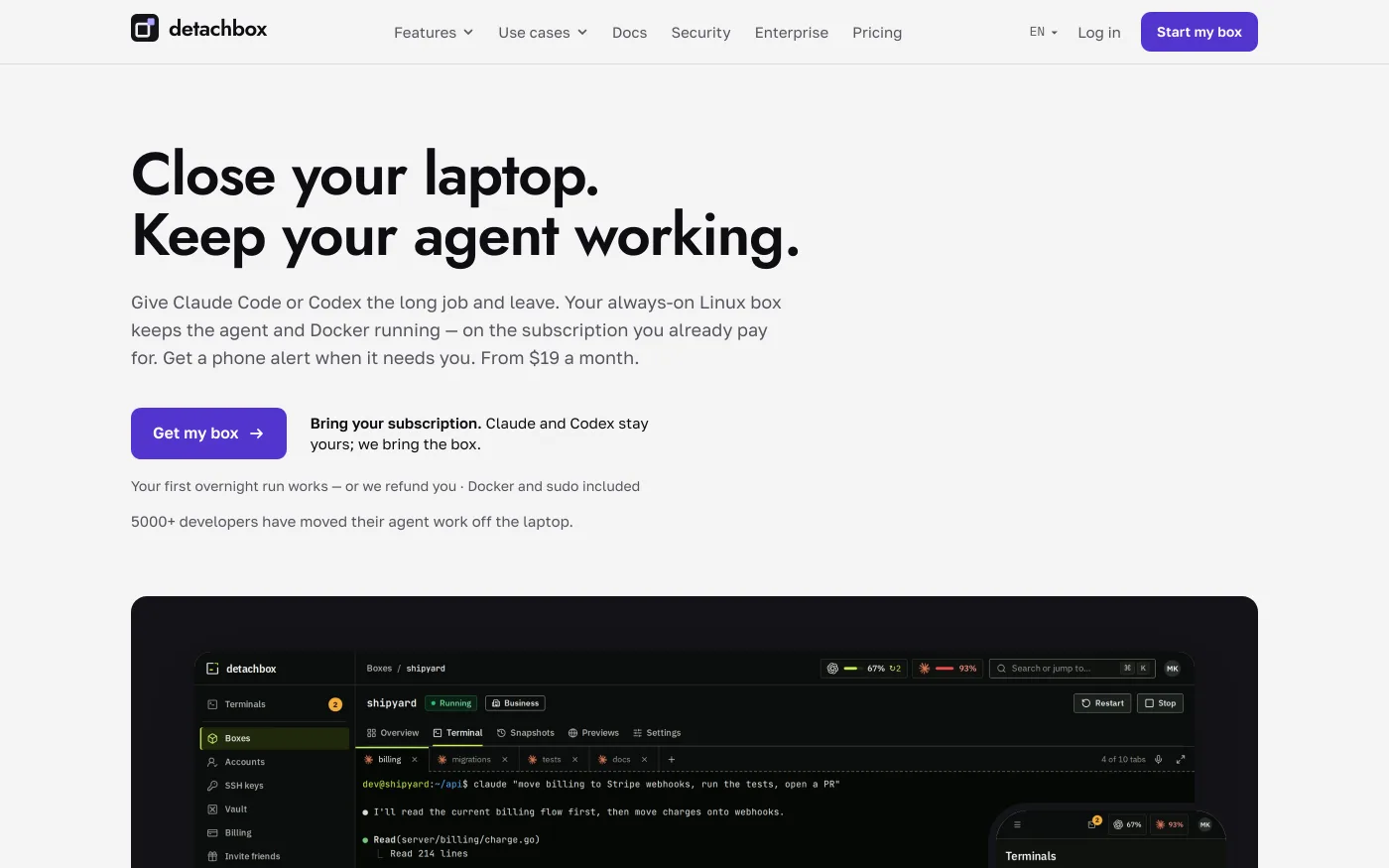 detachboxA founder, a fractional CTO and one engineer took detachbox from an idea to a commercial product in three weeks3 weeksfrom the founder's idea to a commercial product with paid plans0subscription refresh tokens or API keys inside a box, even with sudo
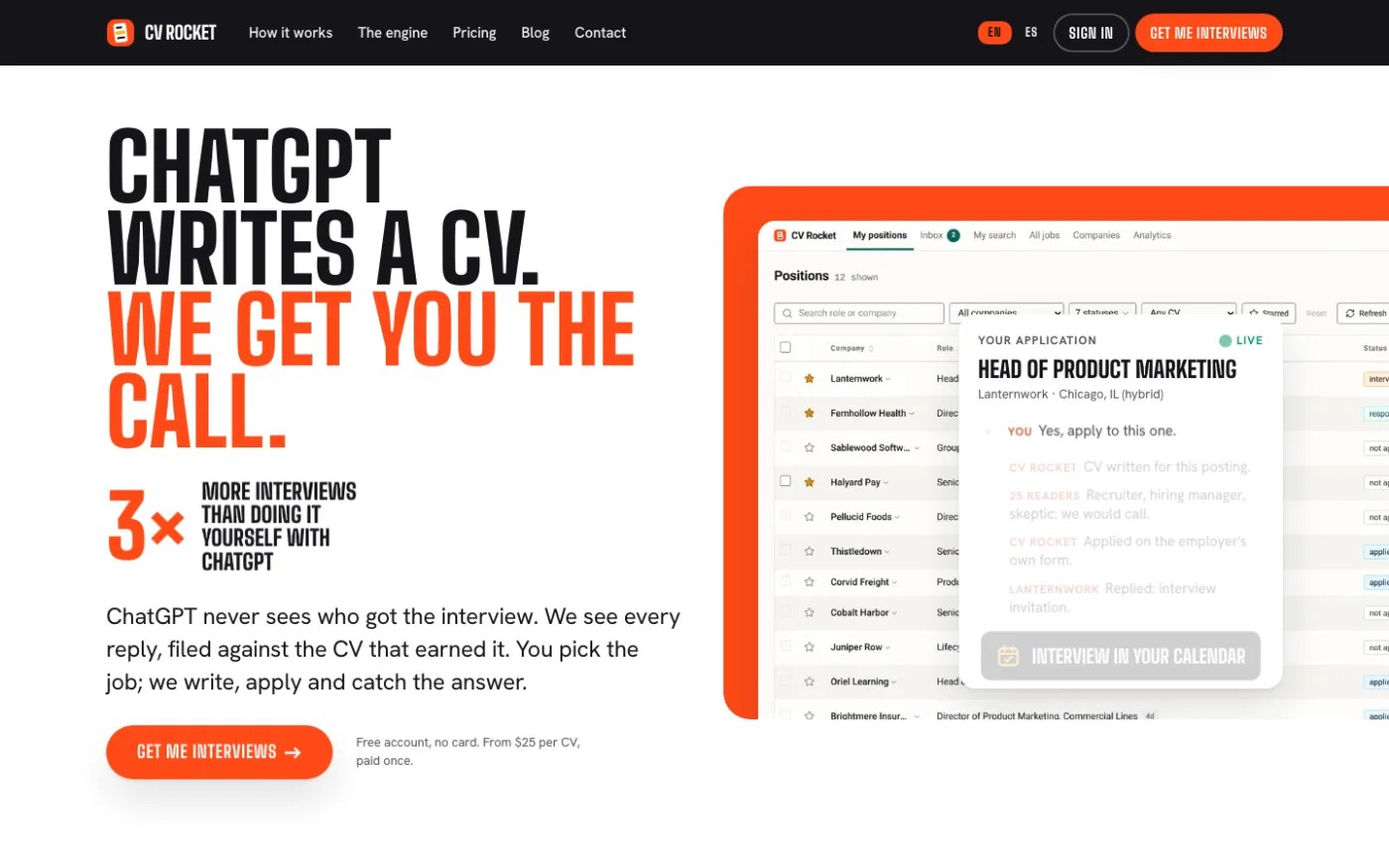 CV RocketOne engineer and a fractional CTO took CV Rocket from zero to sales in five weeks and to 1,000+ customers4 weeksfrom zero to a working product, where quarters are the norm1,000+customers since the first sale in week 5
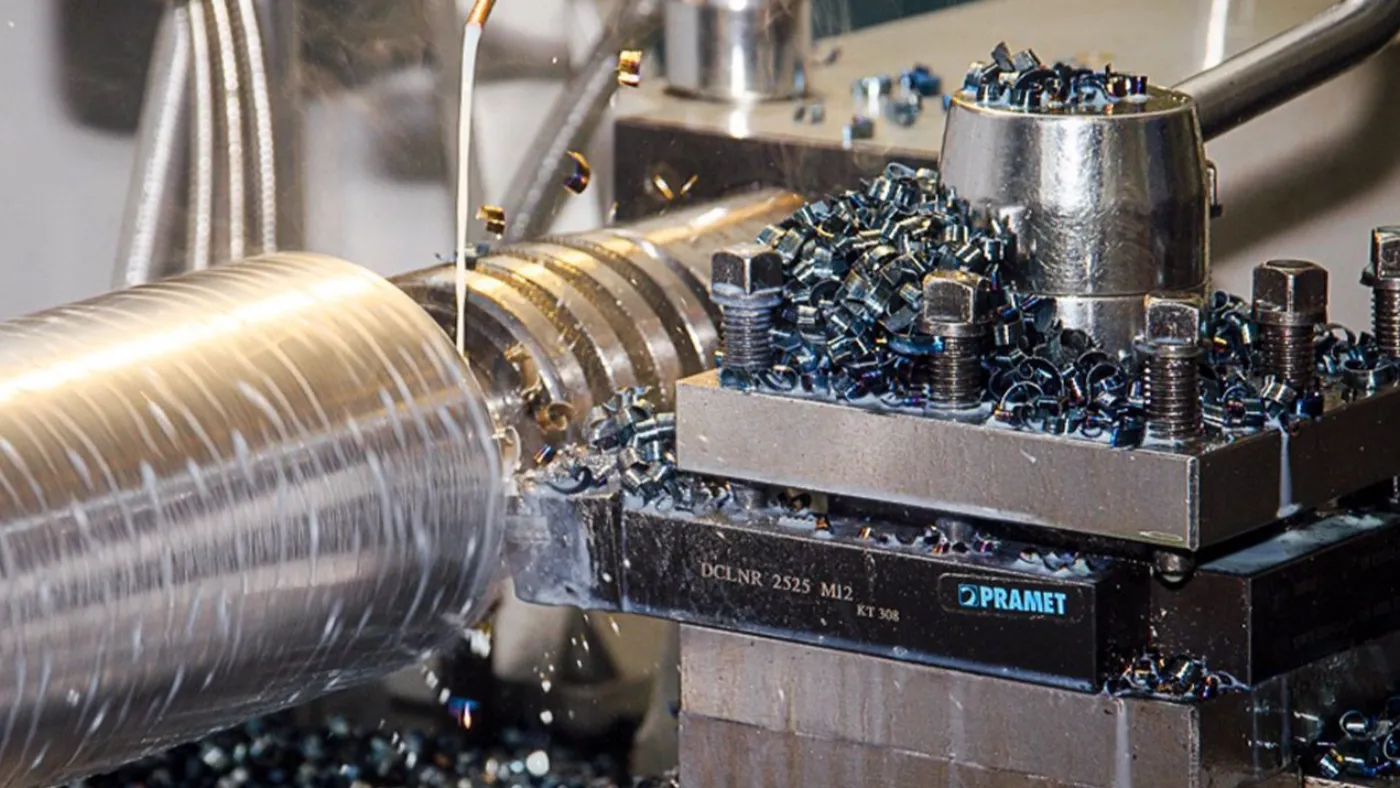 MetizPromServiceA factory saves $300,000+ a year and halved its IT costs after two engineers I hired replaced its contractors$300k+cut from the software and licence bill, every year50%+less spent on IT, the team included, than the contractors cost
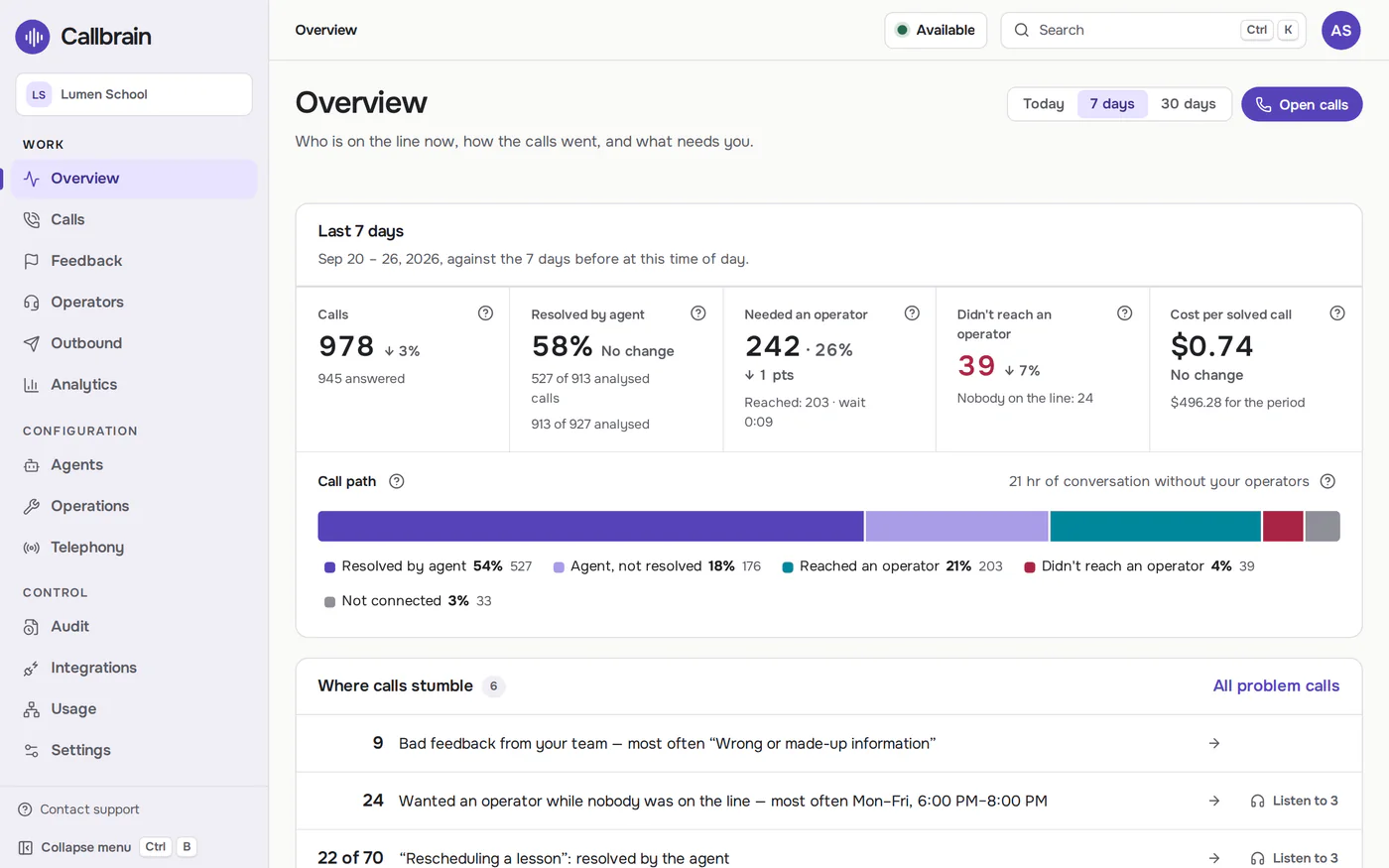 CallbrainAn AI operator closes 92% of calls without a human, in 57 languages, and costs 3 to 5 times less a minute92%of calls closed by the AI operator, with no human on the line3–5×cheaper a minute than a human operator, at $0.16 billed per second
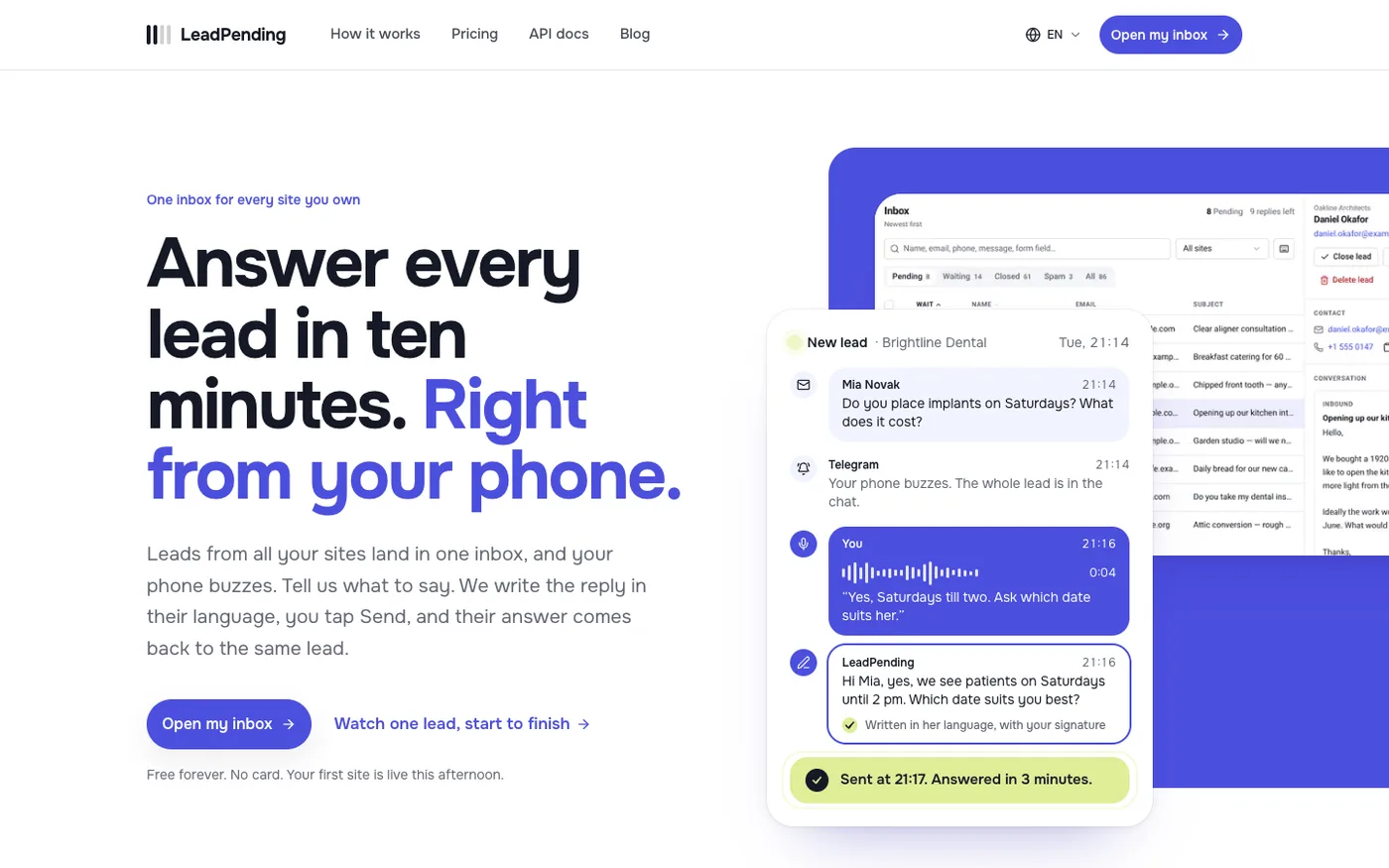 LeadPendingTwo people shipped a lead inbox in 24 hours: leads get a reply in 10 minutes, not the market's 40+ hours10 minto answer a lead, where the market average is 40+ hours24 hfrom the first commit to production, where weeks are the norm
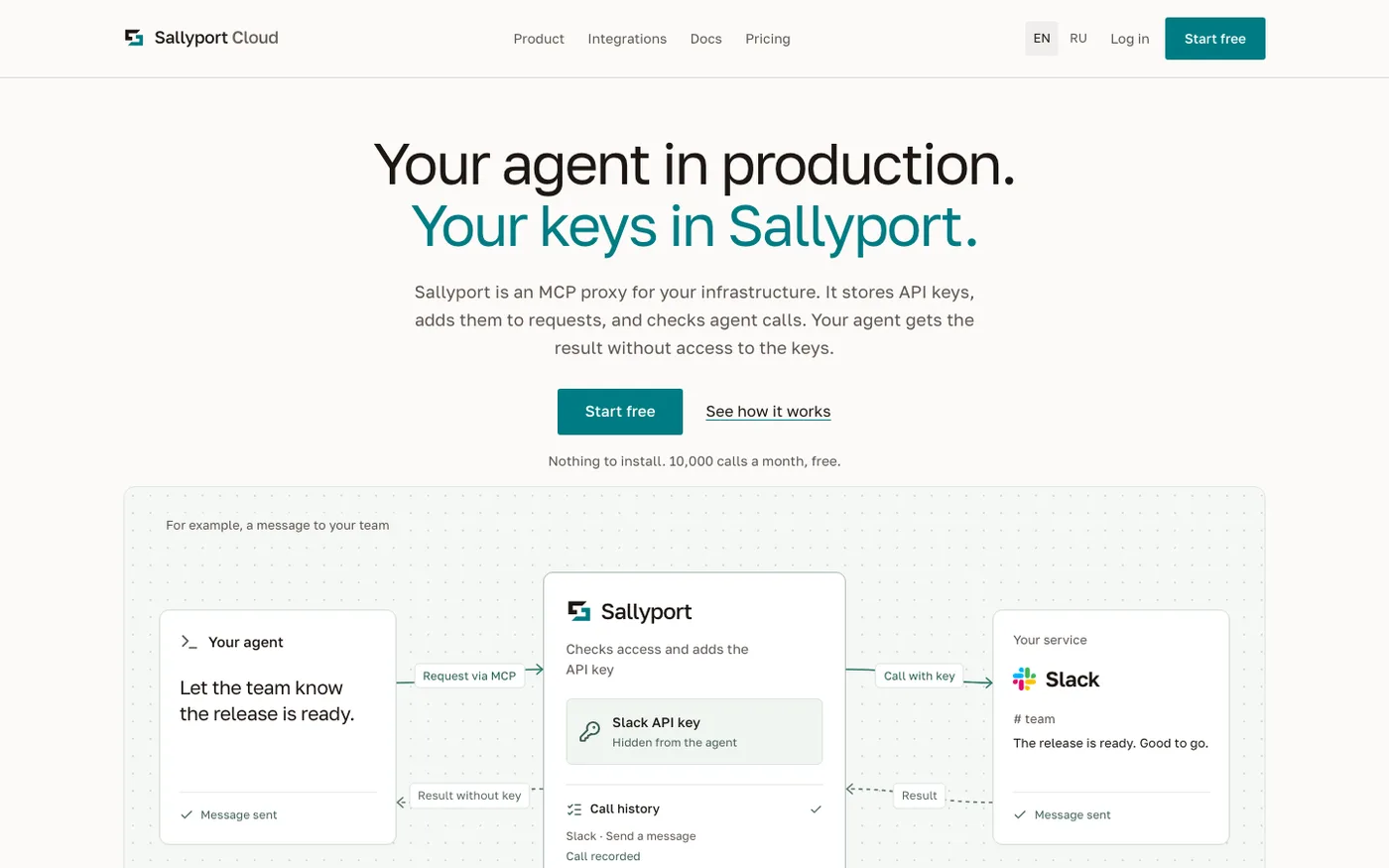 Sallyport CloudTwo people did a security team's work: AI agents make 100,000+ calls a day to 800+ services and never hold a key100,000+agent calls a day through the gateway, and not one key has leaked<20 msof gateway overhead per call, so security does not slow agents down
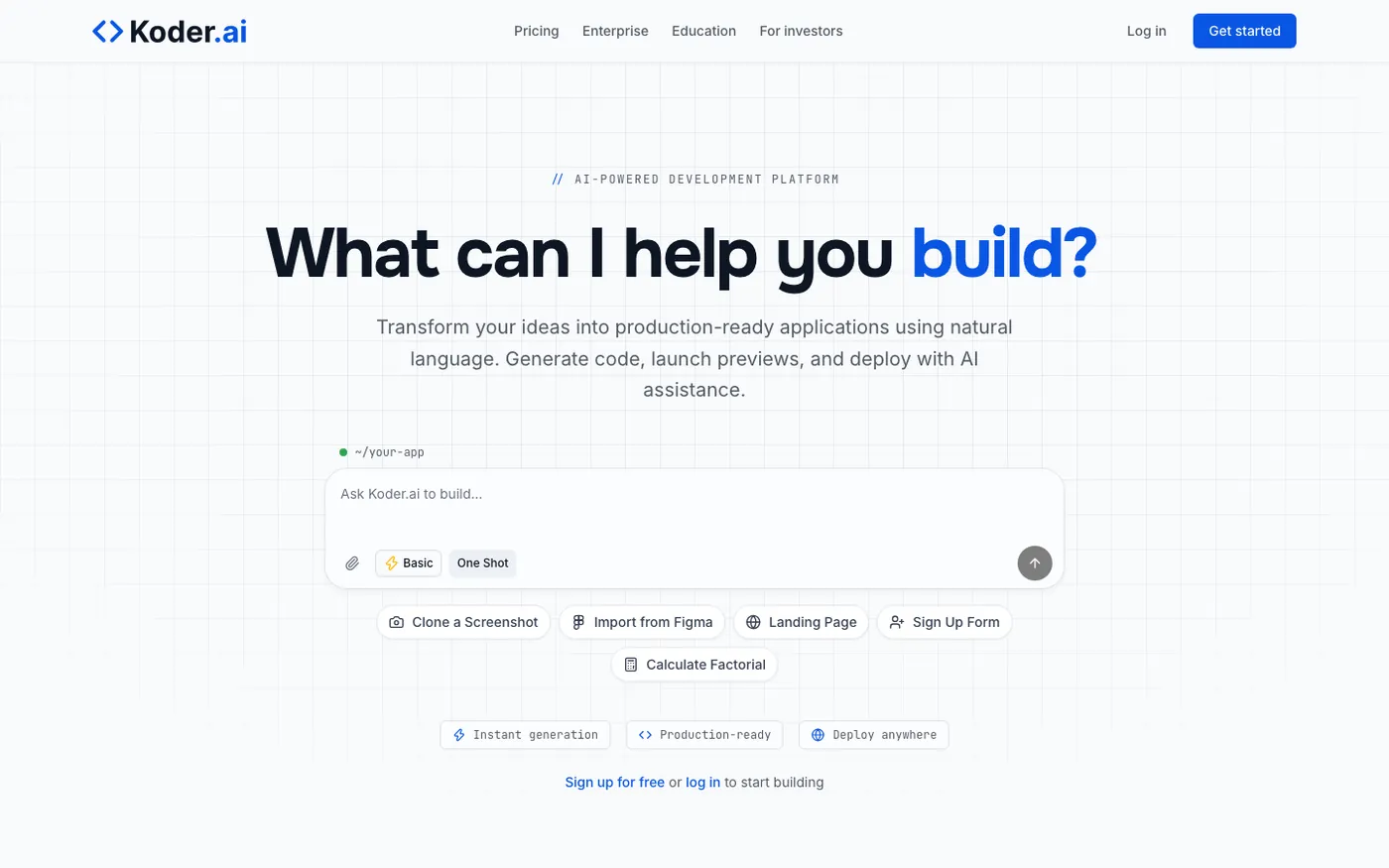 Koder.aiTwo people shipped an AI app builder in six weeks, not quarters, and 70,000+ people in 100+ countries use it6 weeksfrom start to a working platform, where such products take quarters70,000+users in 100+ countries, served by a team of two
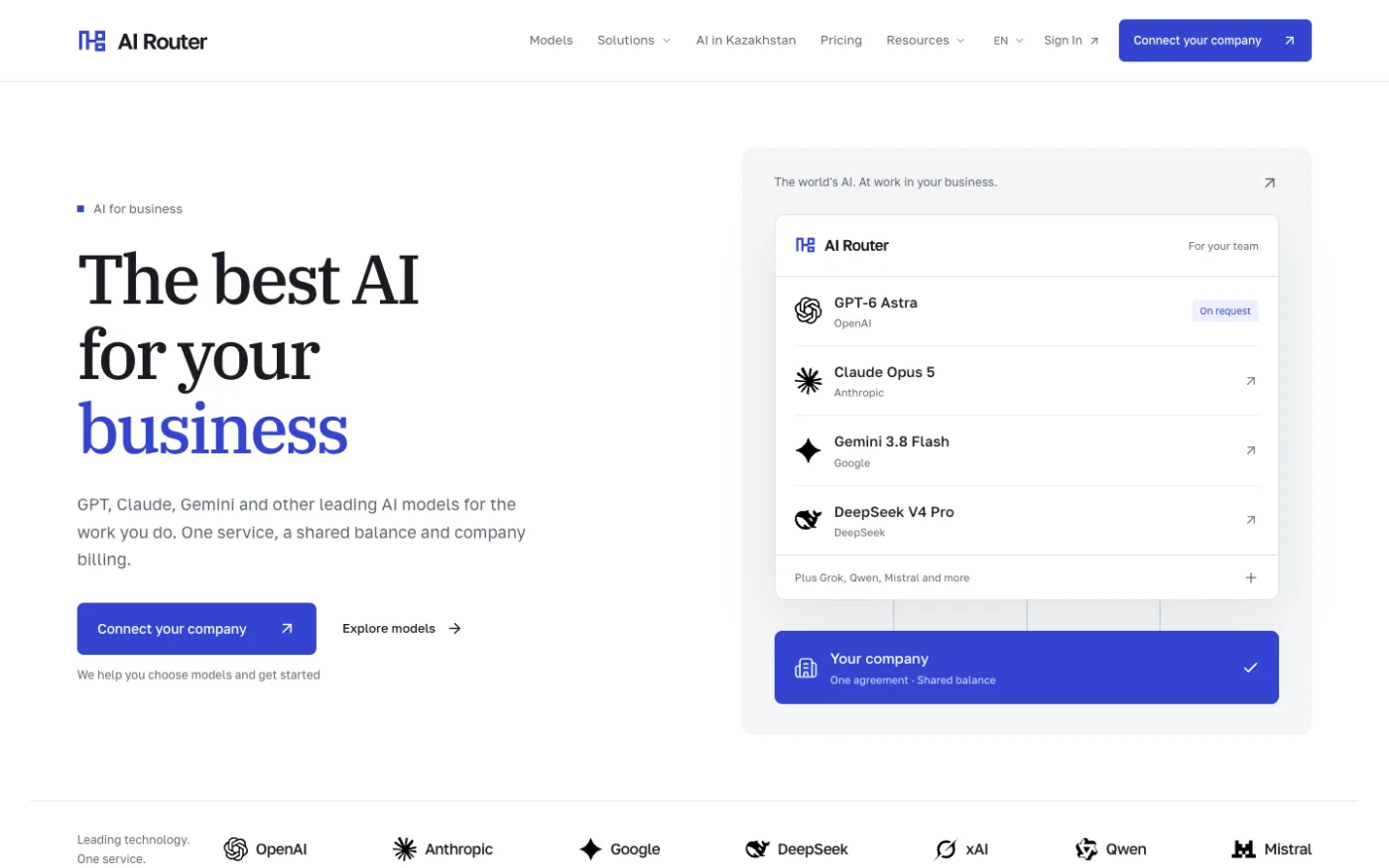 AIRouterIn five weeks, one person launched an OpenRouter-class AI gateway that has since processed 168 billion+ tokens168B+tokens processed in 29.5M+ API requests, counted live on its site5 weeksto launch with a team of one, where such platforms take quarters
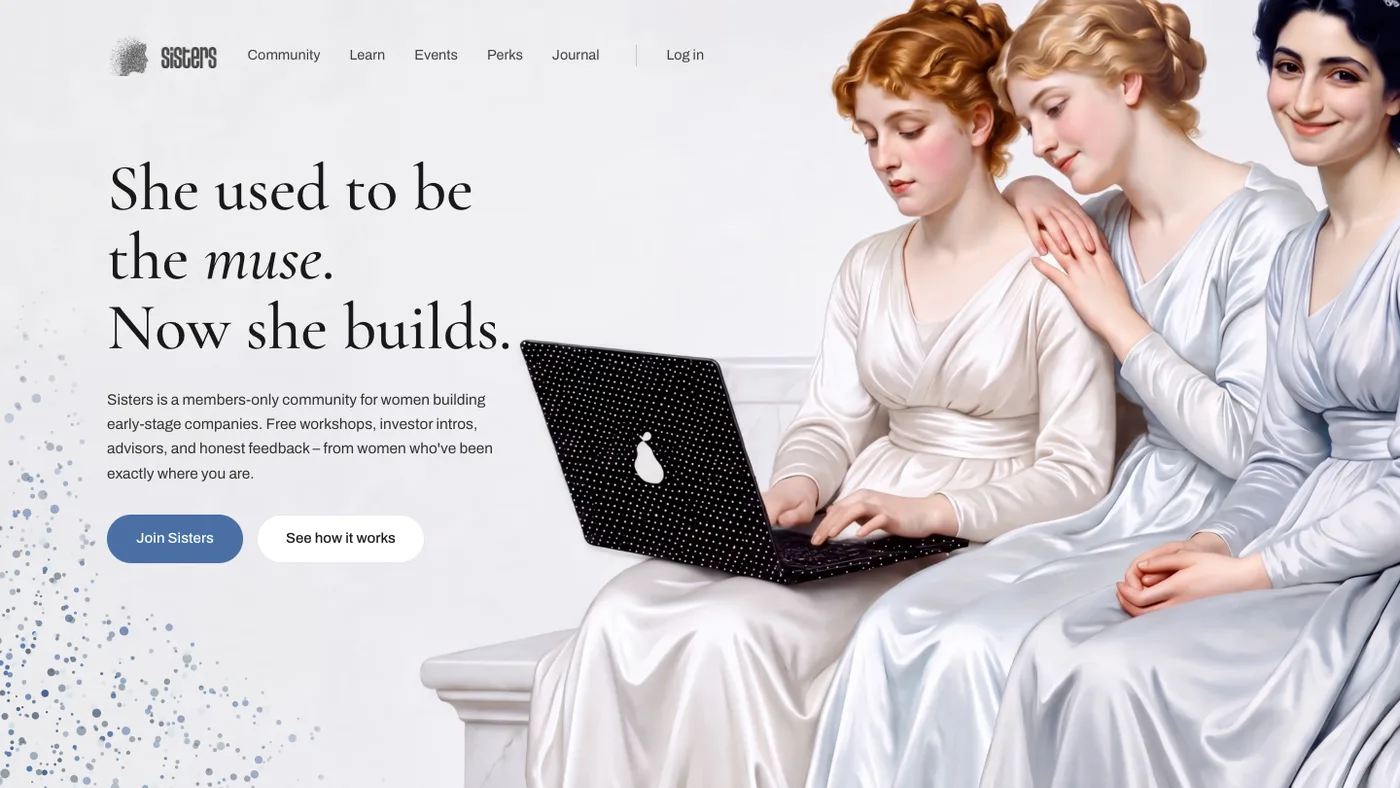 FemSFOne platform replaced four for 357 Silicon Valley women founders and cut application review from 15 minutes to 115 → 1minutes to review an application, with the screening already done1,000+applications pre-screened automatically before a person reads them
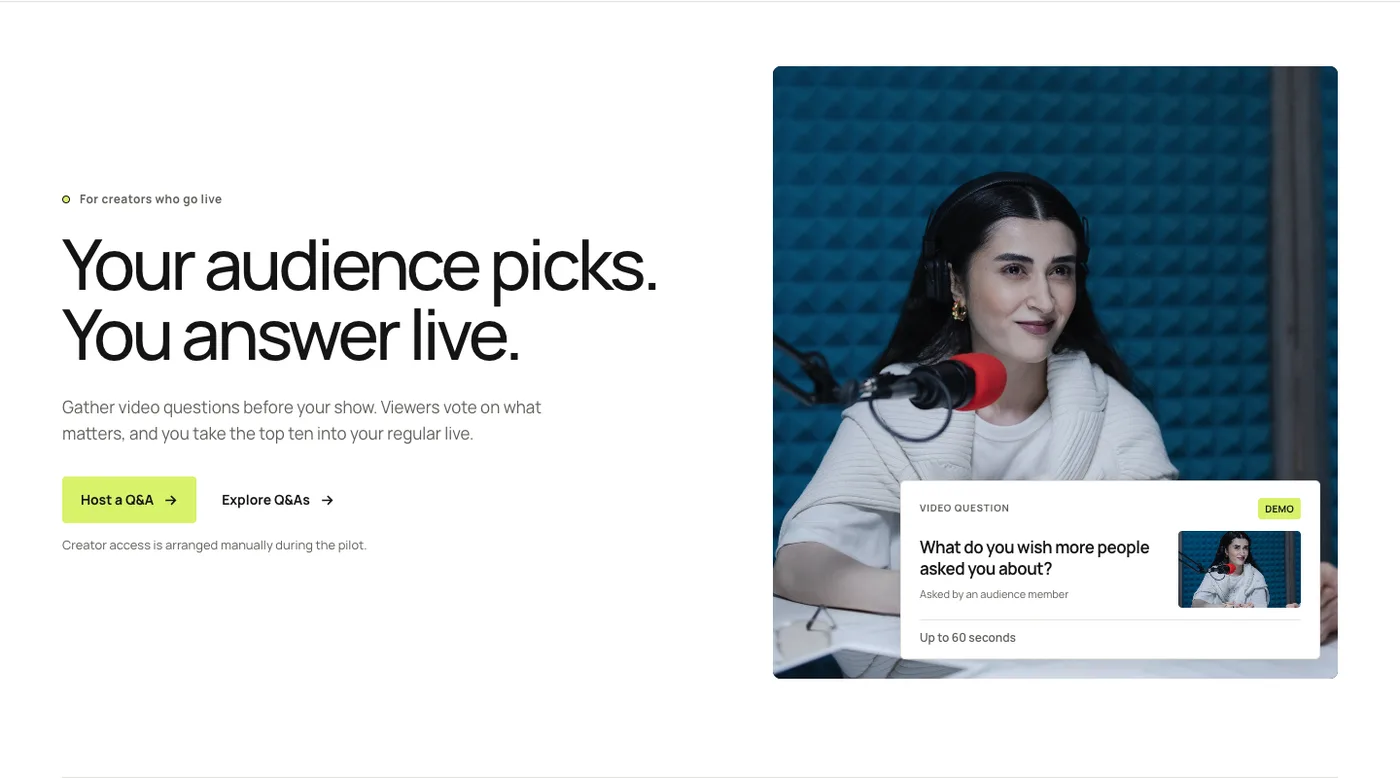 AskOnCamThree people launched a US video Q&A service on its own streaming in six weeks, where others staff whole teams6 weeksfrom start to a launched MVP, with two engineers and me<1 sstreaming latency on a stack the company owns instead of renting
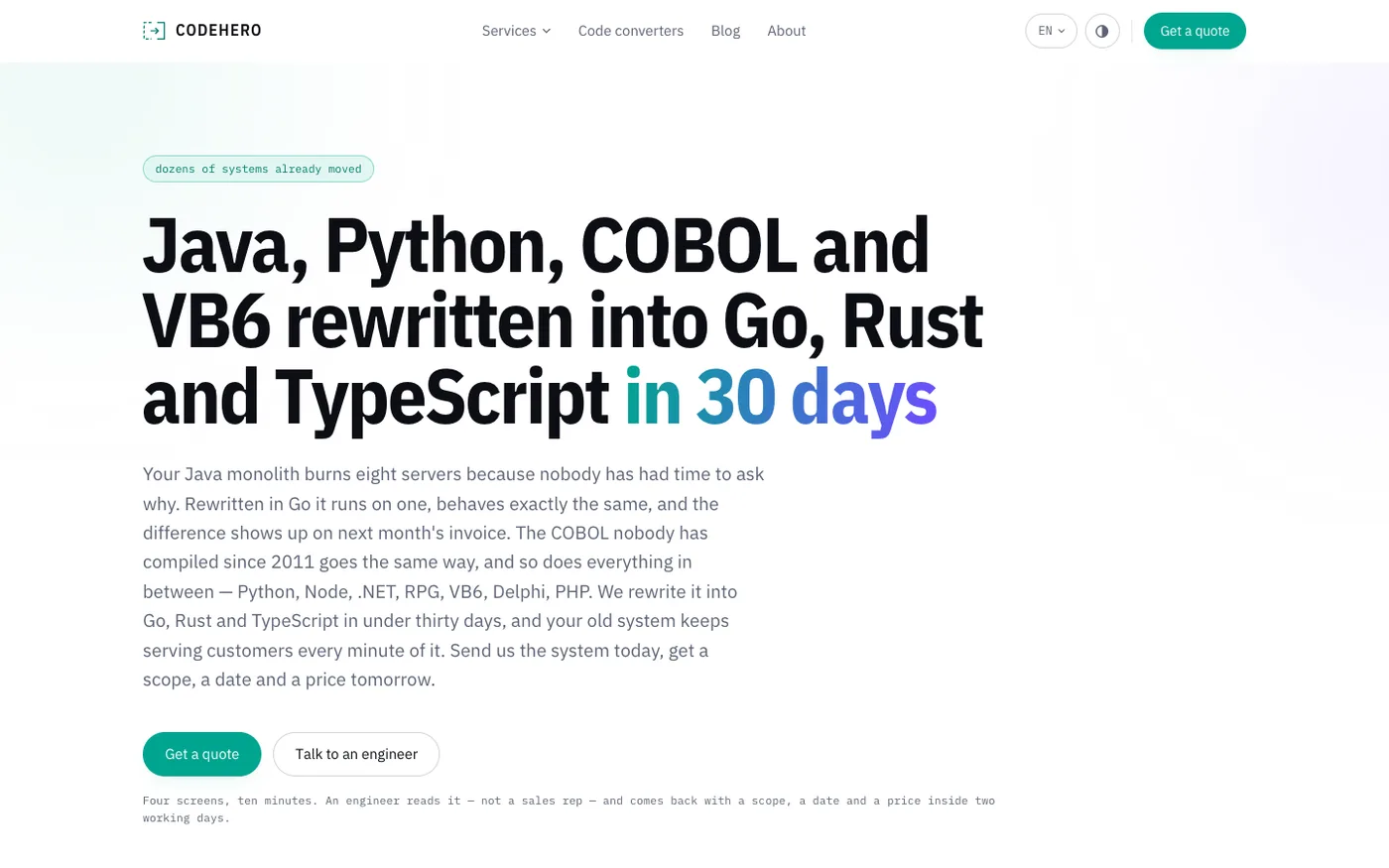 CodeHeroLegacy code moved to Go, Rust and TypeScript 5 to 10 times faster and 70% cheaper, by 5 people instead of 265–10×faster than a manual rewrite of the same legacy system−70%cost against a usual migration of the same system
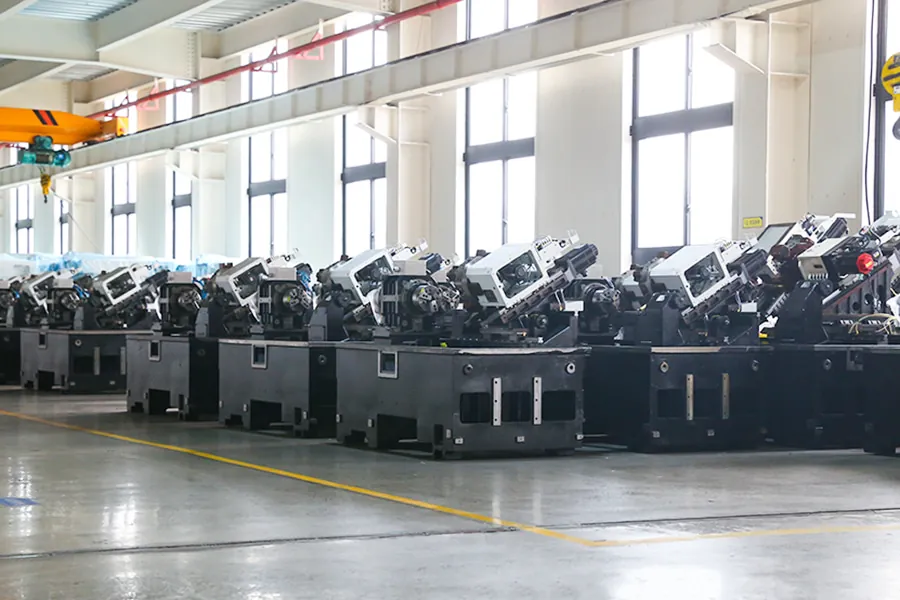 East CNCFrom zero engineers to a CNC product that earns $500,000+ a year and cuts part design time by 70%$500k+a year from a product built by a team of six−70%part design time at customers, with our own AI and CAD
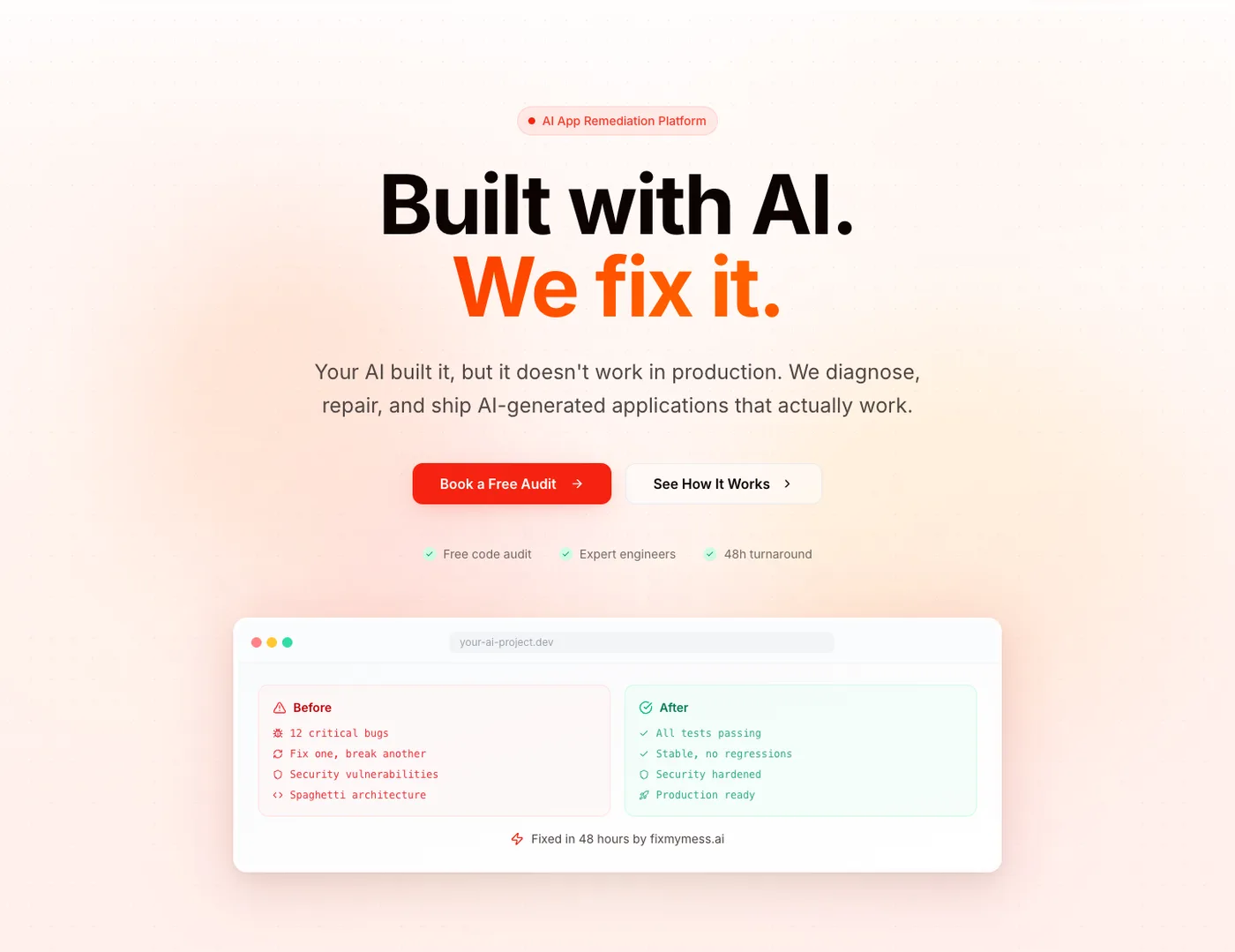 FixMyMess100+ broken AI-built apps rescued in 48 hours on average, 5 to 10 times cheaper than a rewrite from scratch5–10×cheaper than rewriting the app from scratch99%of rescues succeed, and the founder keeps the product and users
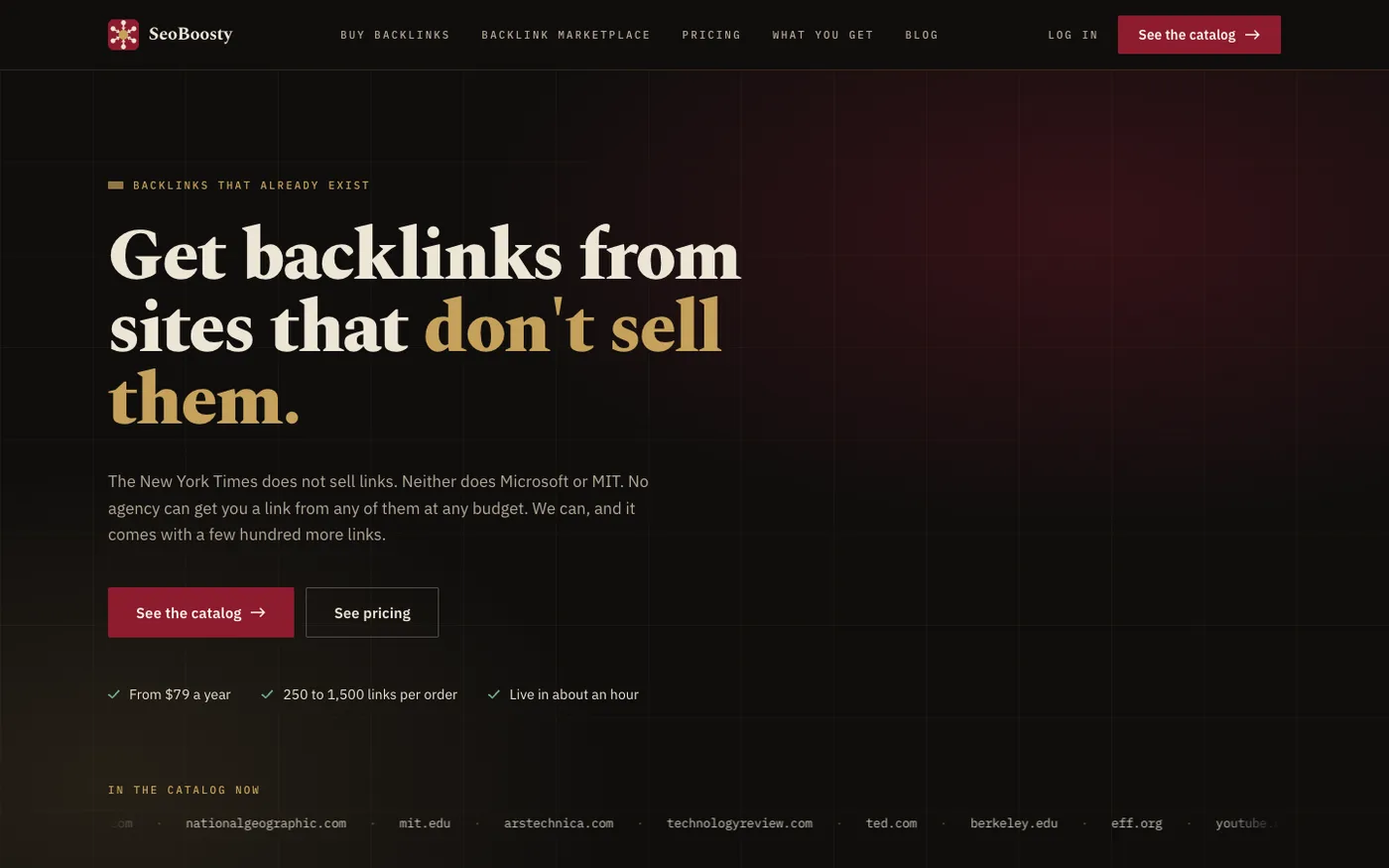 SEOBoostyThree of us built a product that reads up to 1B pages a minute, holds 10B+ links and earns $350k+ a year1Bpages a minute, read by a product three people run$350k+a year in revenue from a team of three
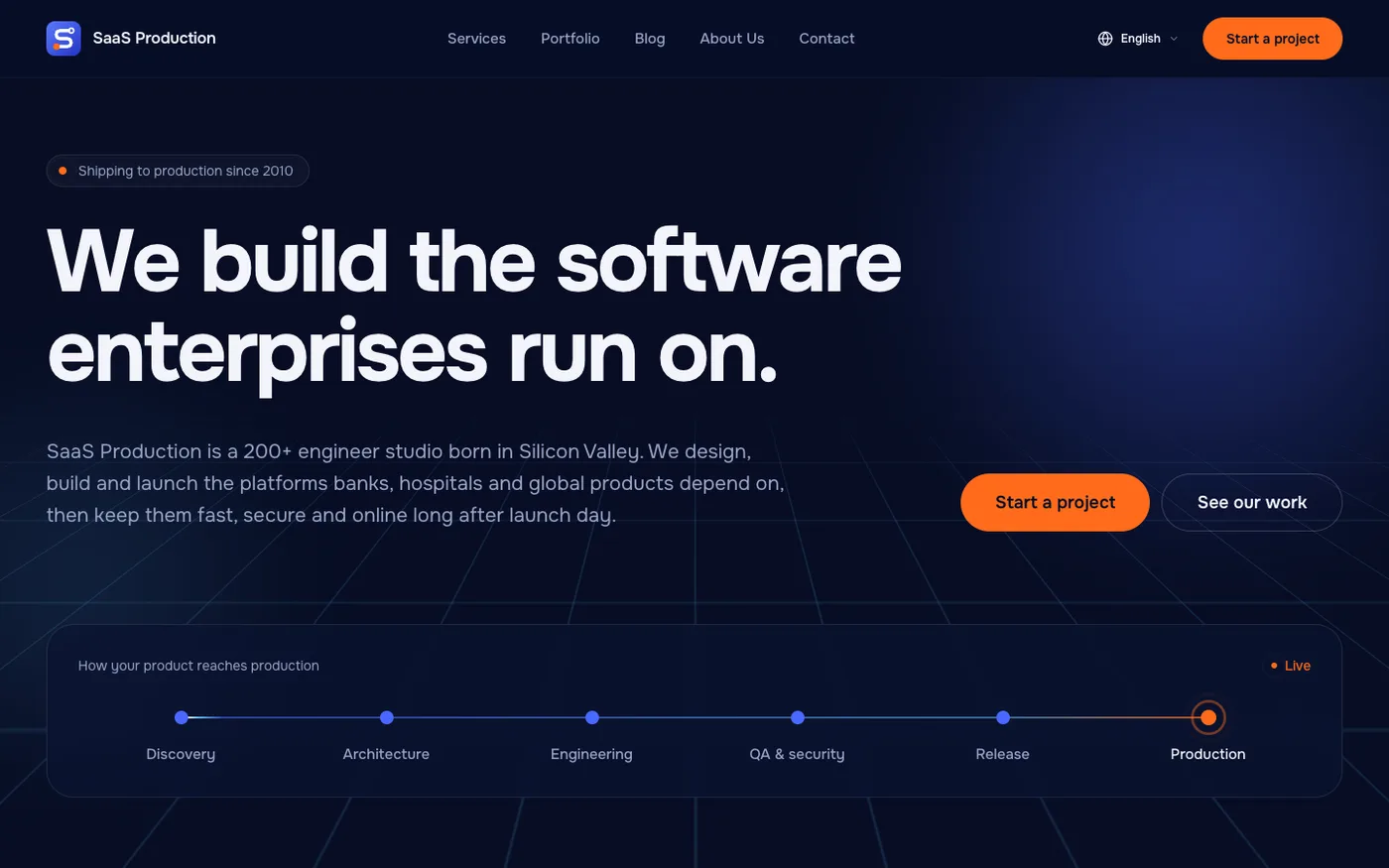 SaaS ProductionTwice the clients and margin up from 20% to 60%: I took a software company from almost 80 people to 12 with AI20% → 60%project margin, with a team of 12 working on AI tools2×as many clients, served by a sixth of the old team
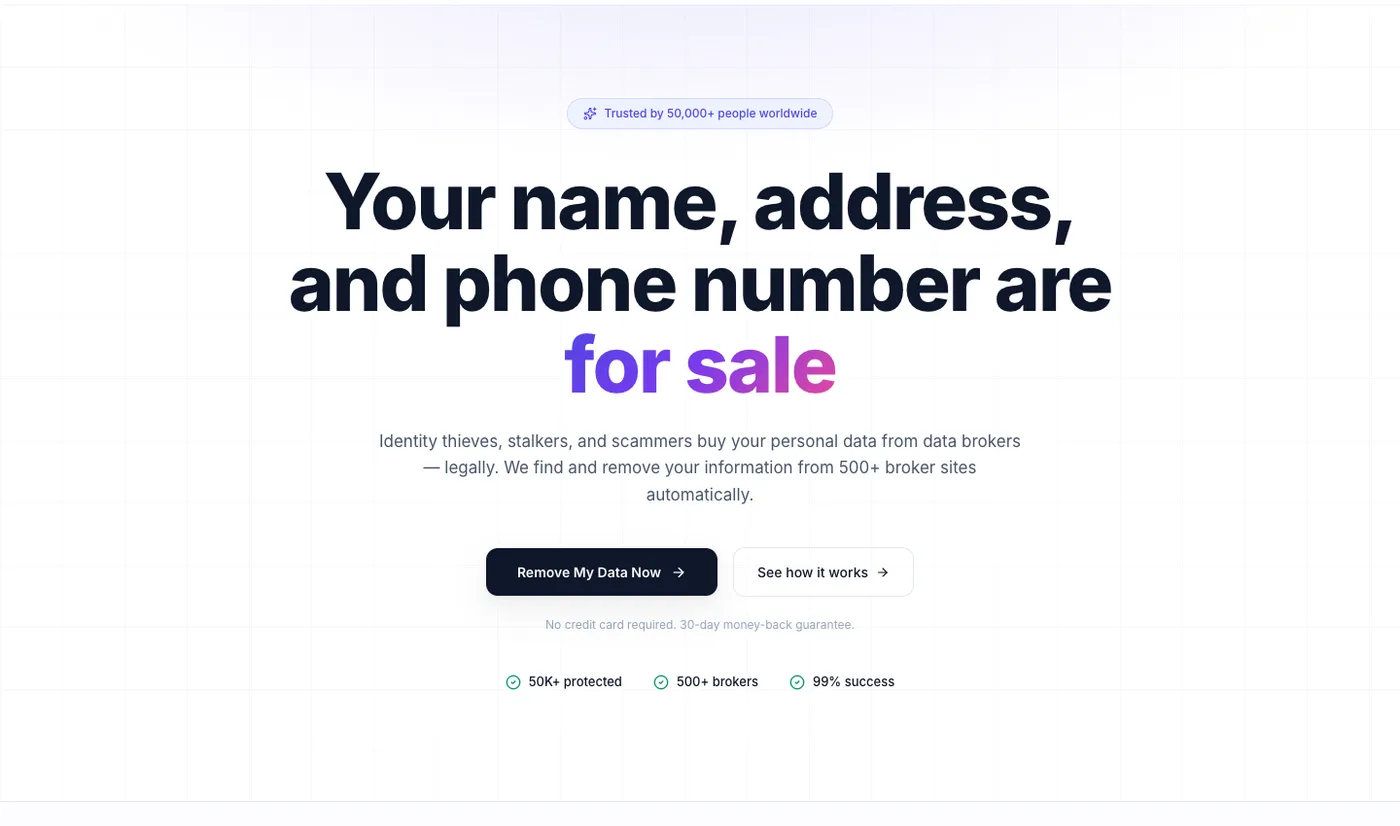 REMOVEThree people built a privacy product with 2M+ removals from 500+ data brokers, 95%+ with no human involved95%+of removals run with no human involved, so a team of three is enough2M+removals completed, each one costing the company cents
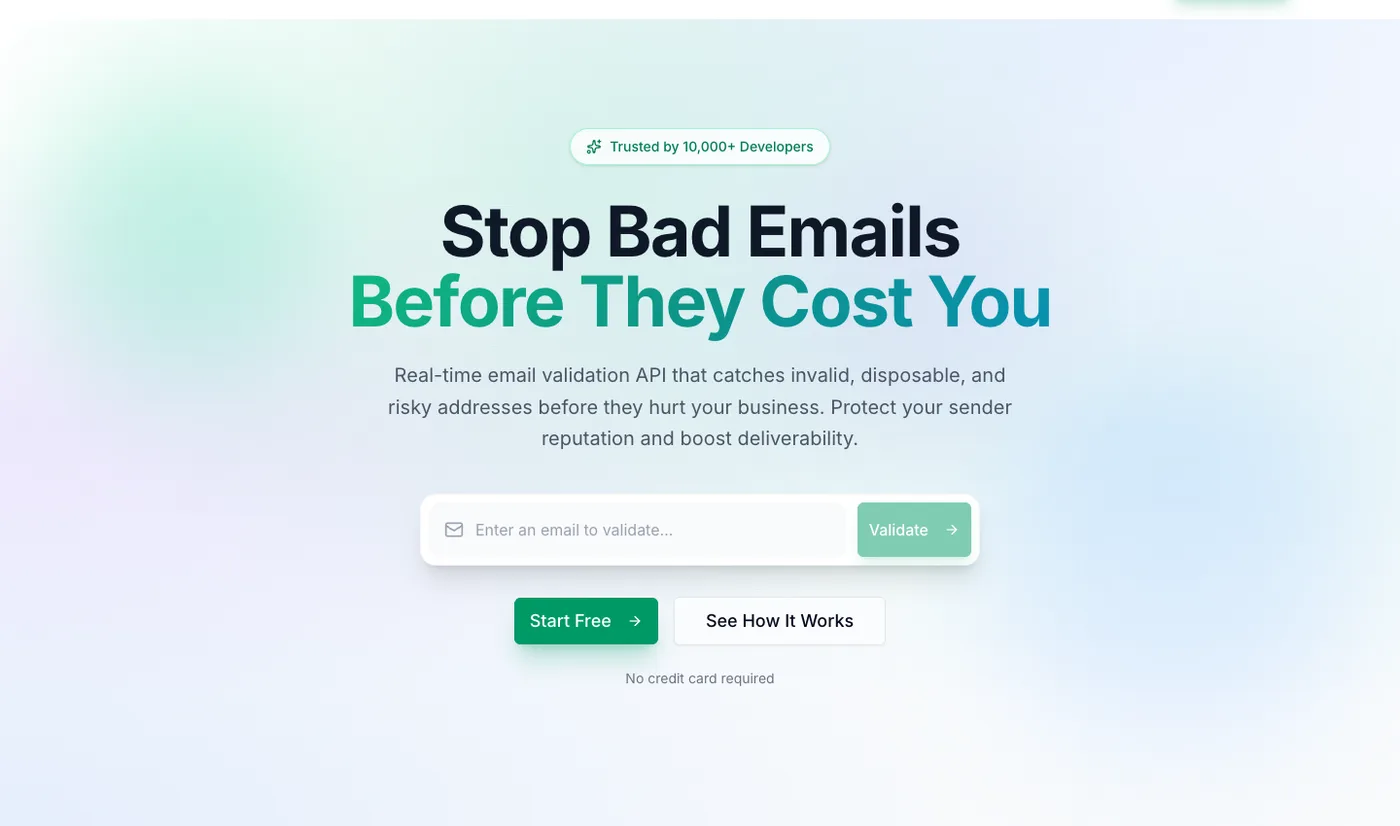 VeriMailTwo people run an email validation API with 1M+ checks a day and 99.99% uptime, and no ops team99.99%actual uptime against a 99.9% SLA, with two people and no ops team1M+email checks a day from businesses that put every sign-up through it
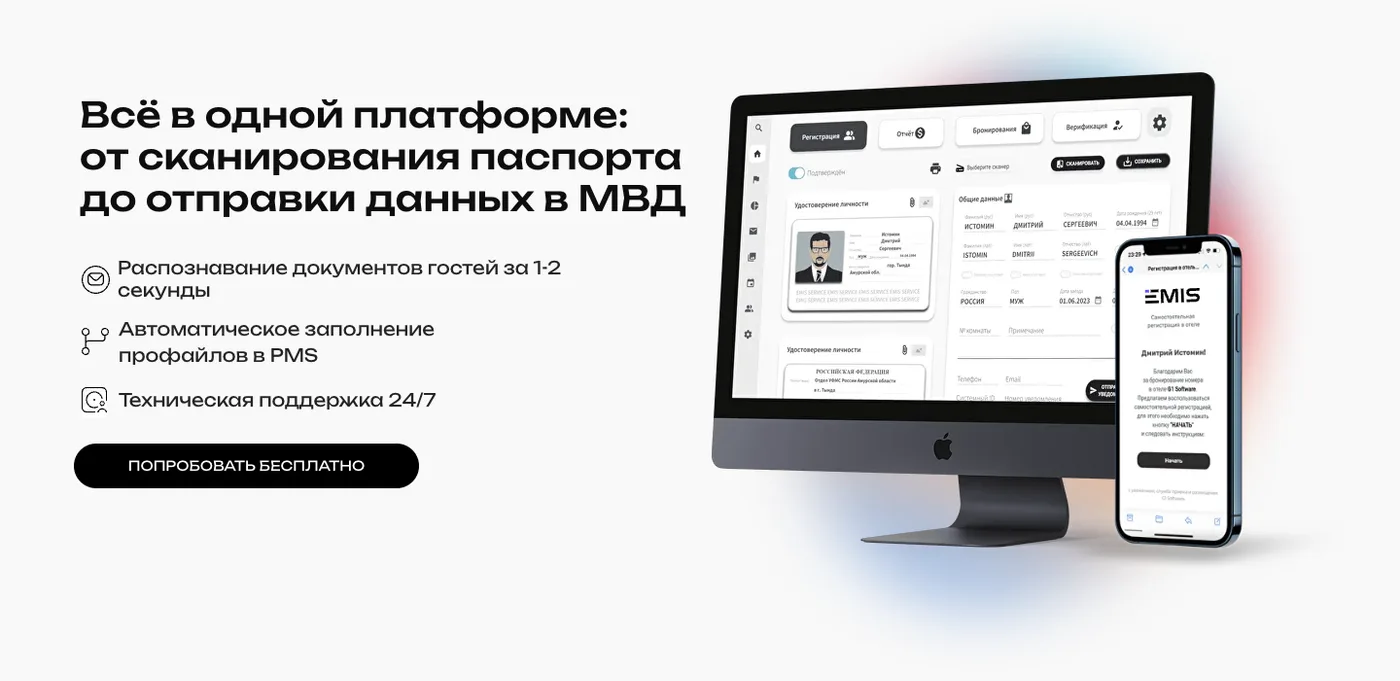 EMISFour people now run a platform that registers 29 million hotel guests a year in the CIS, a job that took 2529Mguests registered a year, across every CIS country25 → 4people run the whole platform now, and it keeps growingEnterprise ATSEnterprise ATSSix people rebuild a US hiring platform for 1,000+ companies and 2.5M candidates with no pause in hiring2.5Mcandidates in a system six people are rebuilding from legacy1,000+client companies, defense and healthcare among them, hire on itHotel PlatformHotel PlatformEight engineers built an AI hotel platform with 1,000+ integrations, where competitors need 50 to 100 people8engineers do the work competitors need 50 to 100 people for1,000+integrations, so a hotel keeps the locks, Wi-Fi and systems it has
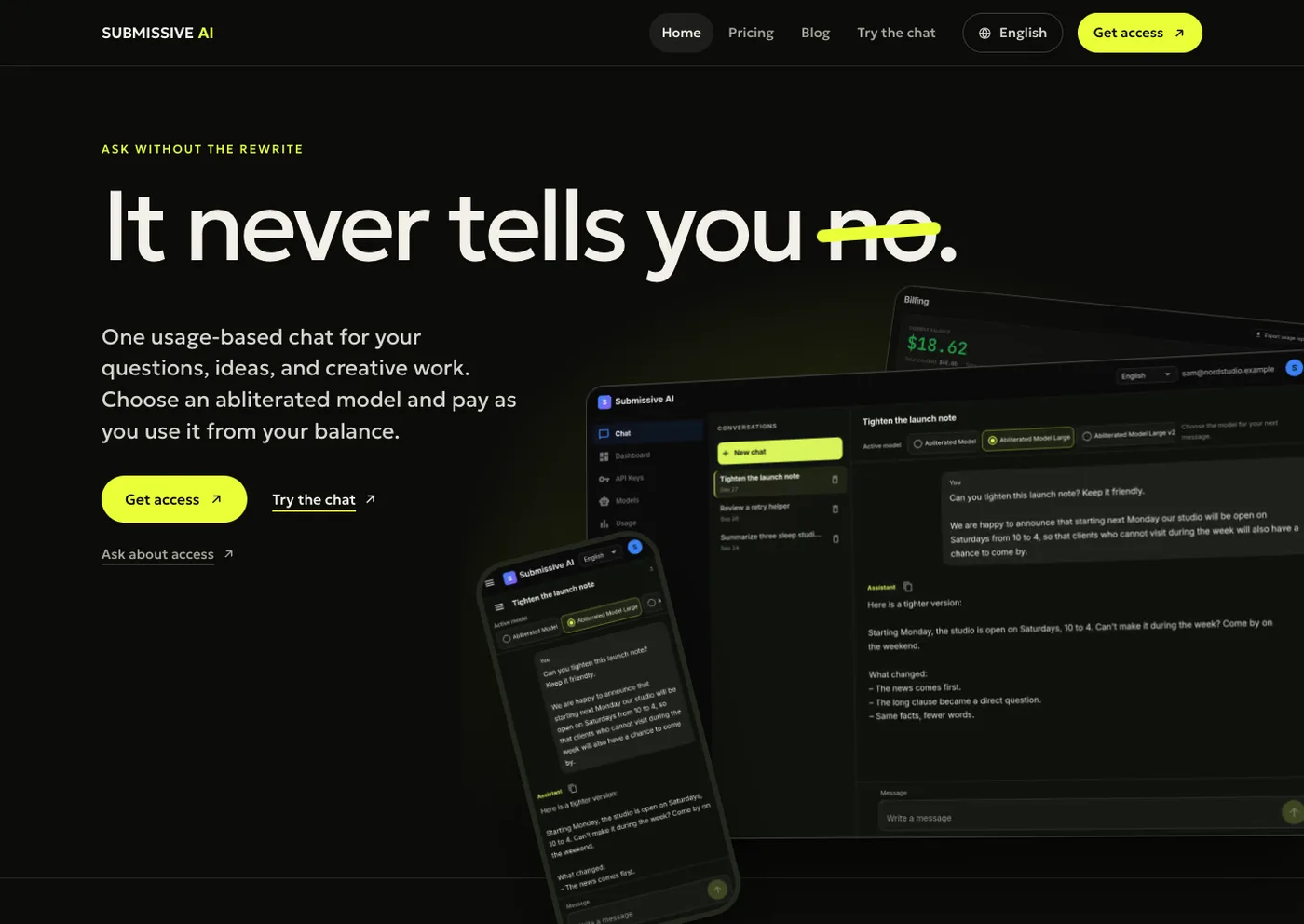 Submissive AIFour people took an AI product from idea to launch in 9 weeks, with inference 60%+ cheaper than API providers9 weeksfrom idea to launch, for one of the hardest kinds of AI product60%+cheaper inference than API providers, on our own engine
More clients
Their full cases are not public. I send each one myself, as a PDF, with the numbers behind the result.
The full case
The numbers behind each result are in the PDF
Architecture, costs and team numbers do not go on an open page. I send them to people who are working on a similar problem and want the same result.
- 01
Choose a case study
Pick the company closest to your situation, or ask for several.
- 02
Leave your work email
Your name, your company and a line about what you are working on.
- 03
I send the PDF myself
Usually within one business day, with a note on what applies to you.
Full case · PDF
Client case studies
Launched in weeks. Run by a fraction of the usual team.
- 01Aula
- 02detachbox
- 03CV Rocket
- 04MetizPromService
- 05Callbrain
- 06LeadPending
- and 21 more
Get the full case as a PDF
Pick a case study and leave your work email. I send the PDF myself, usually within one business day.
Want the next case study to be about your company?
In a 30-minute call we pick the first task to hand to AI and estimate what it will save you.