Replace part of your tech team with AI
Developers, designers, QA engineers and DevOps engineers. I move their work to AI through my framework: interfaces, code, tests, infrastructure and releases. You reduce headcount and keep building your product.
In 30 minutes, we’ll discuss which roles AI can take over in your tech team. Free.
Start with an audit. At least $50,000 in annual savings identified, or the audit is free.
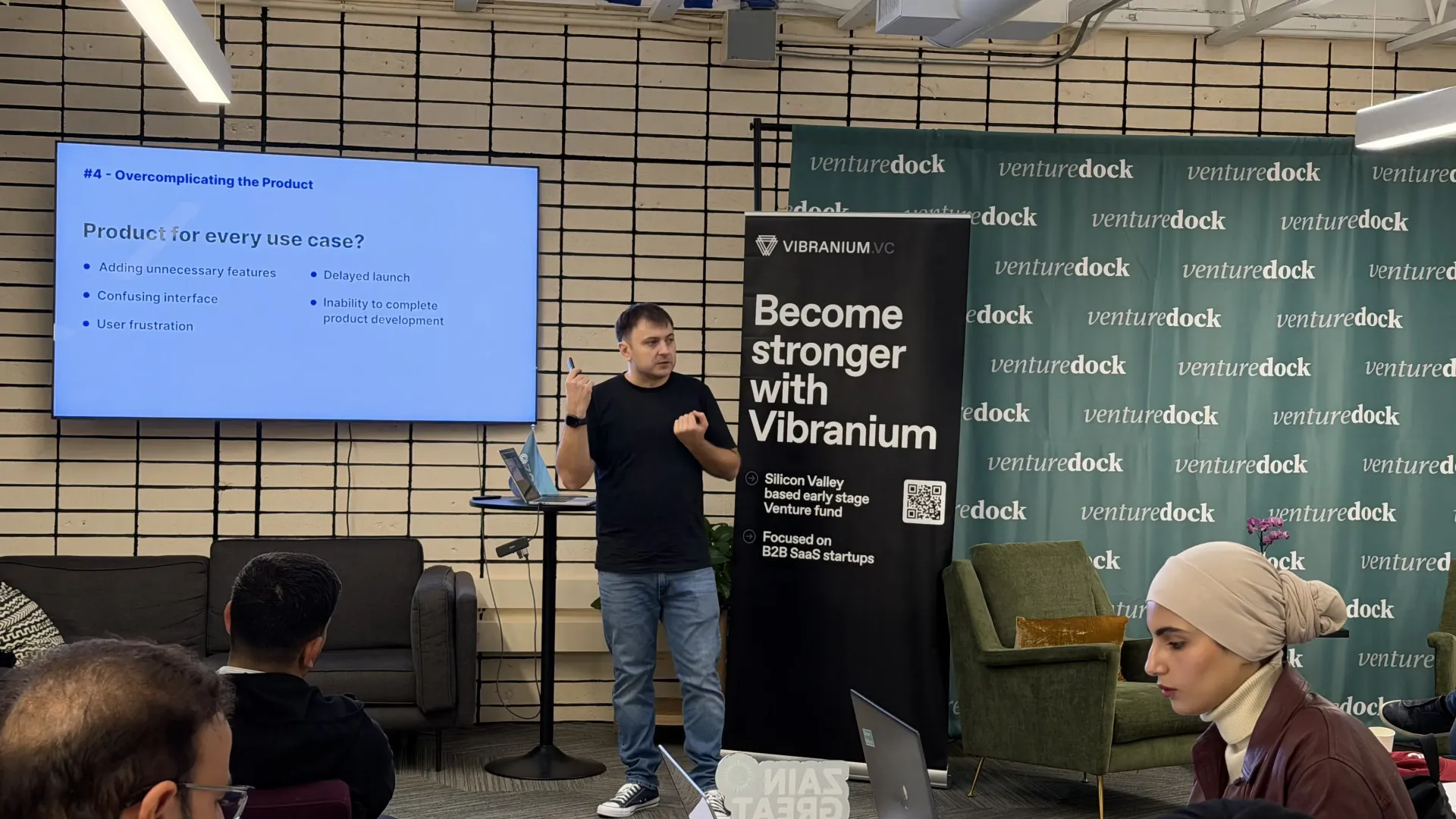
I replace development, design, QA and DevOps work with AI so you can reduce your tech team. I implement my framework on your project and train your team to run the agents. At AppMaster, I took the team from 25 people to 2.
I ran this on my own company first
- AppMaster went from 25 people to an AI-first team of 2.
- It holds 99.99% uptime for users in 190+ countries.
- It processes 11B+ tokens a month in production.
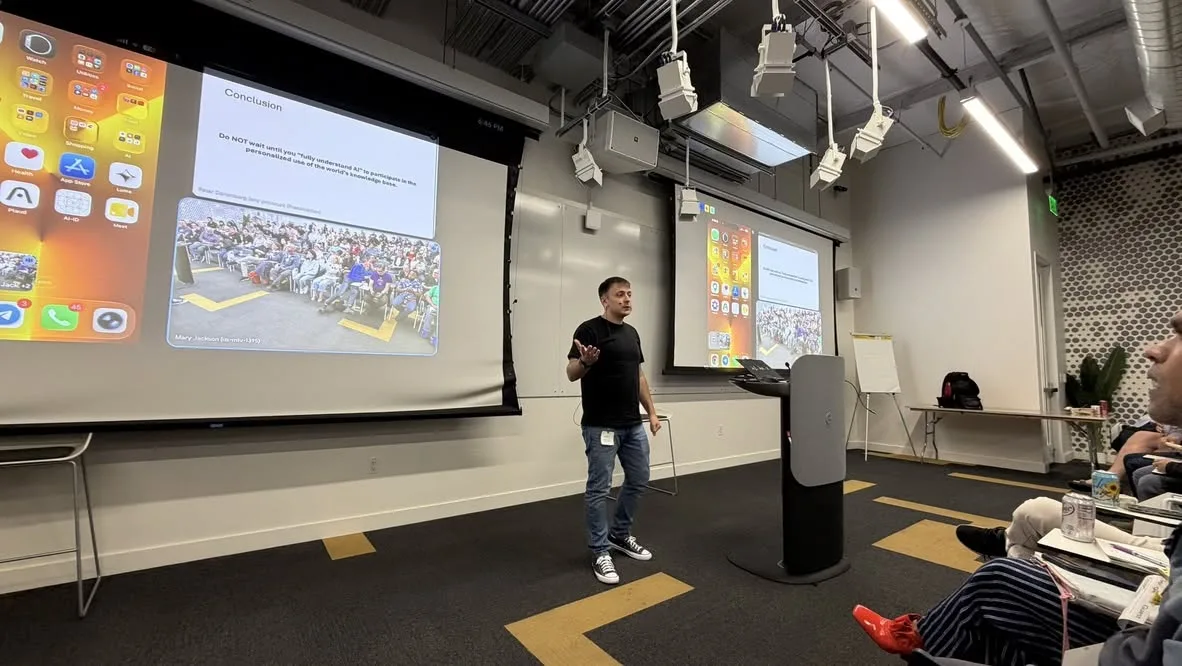
- I present at Google HQ on applied AI.
What you pay your tech team to do
- Developers build features, fix bugs and maintain code.
- Designers create interfaces, prototypes and screen variations.
- QA engineers write tests and check the product before releases.
- DevOps engineers set up infrastructure, builds and deployments.
- Payroll grows faster than product output.
How the work progresses
Start with a five-day audit. From week two, I work alongside your team to put the plan into practice. Scope and commercial terms are agreed after the first conversation.
- Week 1
Team, tasks and costs
I review development, design, QA and DevOps work: tasks, time to release and costs. I identify which functions AI should take over and the team you need after the transition.
The five I read first, and the list we fix together before I start:
- Share of work completed by AI
- Time from task to finished interface or code
- Lead time from ticket to production
- Share of AI output that needs rework
- Monthly spending on AI and the team
- At the end of it you have
- A transition plan: AI responsibilities, team structure and estimated savings.
- Engagement
- Five business days. At least $50,000 a year identified, or the audit is free.
- Weeks 2 to 5
One team, real tickets
I implement my framework on your product: design, code, tests, infrastructure and releases. I move real tasks to agents and train your team to run them.
- At the end of it you have
- A working AI engineering process, with costs and delivery speed compared against the baseline.
- Engagement
- Pilot and implementation scope agreed before we start.
- Weeks 6 and 7
Training and working practices
We establish how to assign work to AI, review interfaces and code, run tests, ship releases and manage infrastructure. I train your team and document the process.
- At the end of it you have
- Written rules, a budget and a report on the pilot’s results.
- Week 8 onward
The rest of engineering
I bring the process to your other projects. I train the team and establish who handles each function in the smaller team. We compare spending on people and AI with costs before the transition.
- At the end of it you have
- AI works across design, development, QA and releases. You can see the team you now need and the savings.
- Engagement
- Ongoing rollout scope agreed month by month.
That is the whole engagement. The rest of this page answers the questions it raises.
Book my callWhat stays when I go
- Code, interface designs and agent configuration in your systems.
- The MCP servers, running against your own systems.
- Tests and configuration for builds, releases and infrastructure.
- The token budget, and the reporting that reads it.
- A smaller team that can run the agents and keep building your product.
None of it needs me to be reachable.
The questions I get
Does this only cover writing code?
It covers the full product cycle: interface design, development, QA, infrastructure and releases. I replace specialist work with AI and my framework. The goal is to reduce your tech team and keep shipping your product.
How much of my team's time does this take?
The audit needs access and 45 minutes each with three or four engineers. The pilot uses current tasks. We agree with the team lead on time for setup, working sessions and reviewing results.
Do you write code, or advise?
I write code and set up agent instructions, integrations, checks and workflows. I work through real tasks alongside your engineers.
My engineers have opinions about this. What happens?
We discuss their experience and concerns before the pilot. Together we choose a small task and quality criteria, then use the results to decide what to introduce more widely.
What can we send to a model, and who decides?
You decide before the pilot begins. We agree on approved repositories and models, plus prompt and log retention. After the pilot, we refine the rules before bringing in more teams.
What do we keep when you go?
A working process with AI, code and designs in your systems, tests, and infrastructure and release configuration. Your smaller team knows how to run the agents and develop the product. My framework is configured for your project.
What budget should I plan for?
Tool subscriptions are separate. On the first call, we discuss your team and tasks; before starting, we agree on my involvement, your team’s time, scope and commercial terms.
The work either side of this
Which technical roles can AI take over?
Developers, designers, QA and DevOps engineers: we’ll review what they do on your project, which functions AI can take over and how to reduce the team.
30 minutes, free. We’ll choose a first task to automate.
The audit takes five business days. At least $50,000 a year identified, or it is free.
Let’s discuss your project
A free 30-minute call with Oleg to discuss your situation and choose a practical first step. No commitment.
A couple of sentences is enough: what does your company do, and what do you want to improve?
Related reading
Agentic coding, delivery, and what changes around the team.


