Case study · AI software development · USA and worldwide
Koder.aiTwo people shipped an AI app builder in six weeks, not quarters, and 70,000+ people in 100+ countries use it
Koder.ai turns a chat into a working application in 2 to 5 minutes: a React web app, a Go backend with PostgreSQL or a Flutter mobile app, with a live preview, hosting and code export. I designed the architecture, the product and the security, the infrastructure in several countries, and the model layer that spreads work across providers and our own models, which cut the cost of inference in half. Two people delivered in six weeks what companies in this market usually build with large teams over several quarters, and users in more than 100 countries now create 500+ apps a day on it.
- Client
- Koder.ai
- Product
- AI platform for 3 stacks: web, backend and mobile apps
- Market
- Worldwide, users in 100+ countries, 16 interface languages
- Users
- 70,000+, creating 500+ apps a day
- My role
- Fractional CTO
- Team
- 2 people, the whole build
- Website
- koder.ai
In numbers
- from start to a working platform, where such products take quarters
- 6 weeks
- users in 100+ countries, served by a team of two
- 70,000+
- inference cost, cut by our own models and request routing
- −50%
- apps created a day, each in its own container
- 500+
- from a chat to a first working app, before a team finishes the spec
- 2–5 min
- apps built by users on the platform so far
- 35,000+
The product
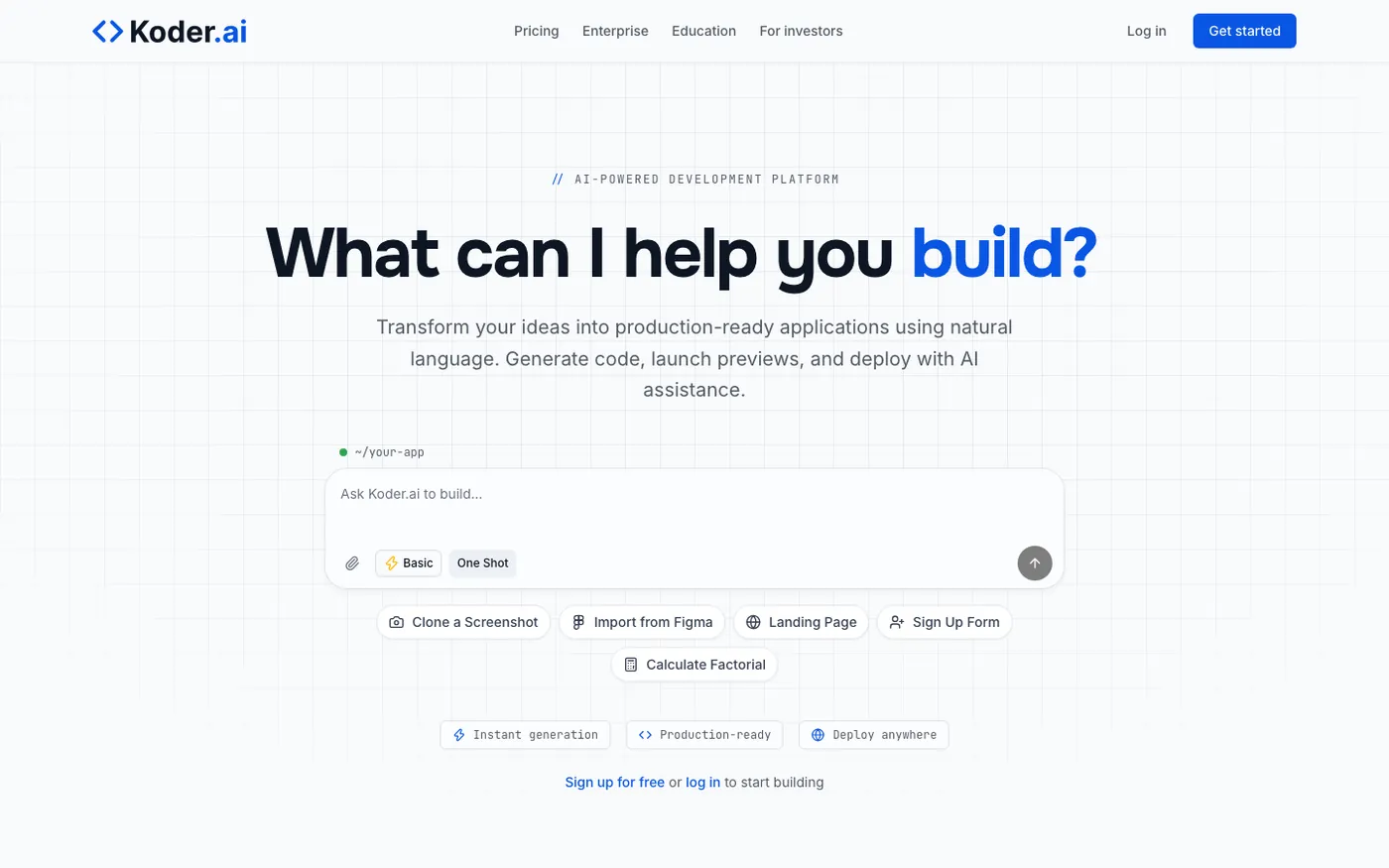
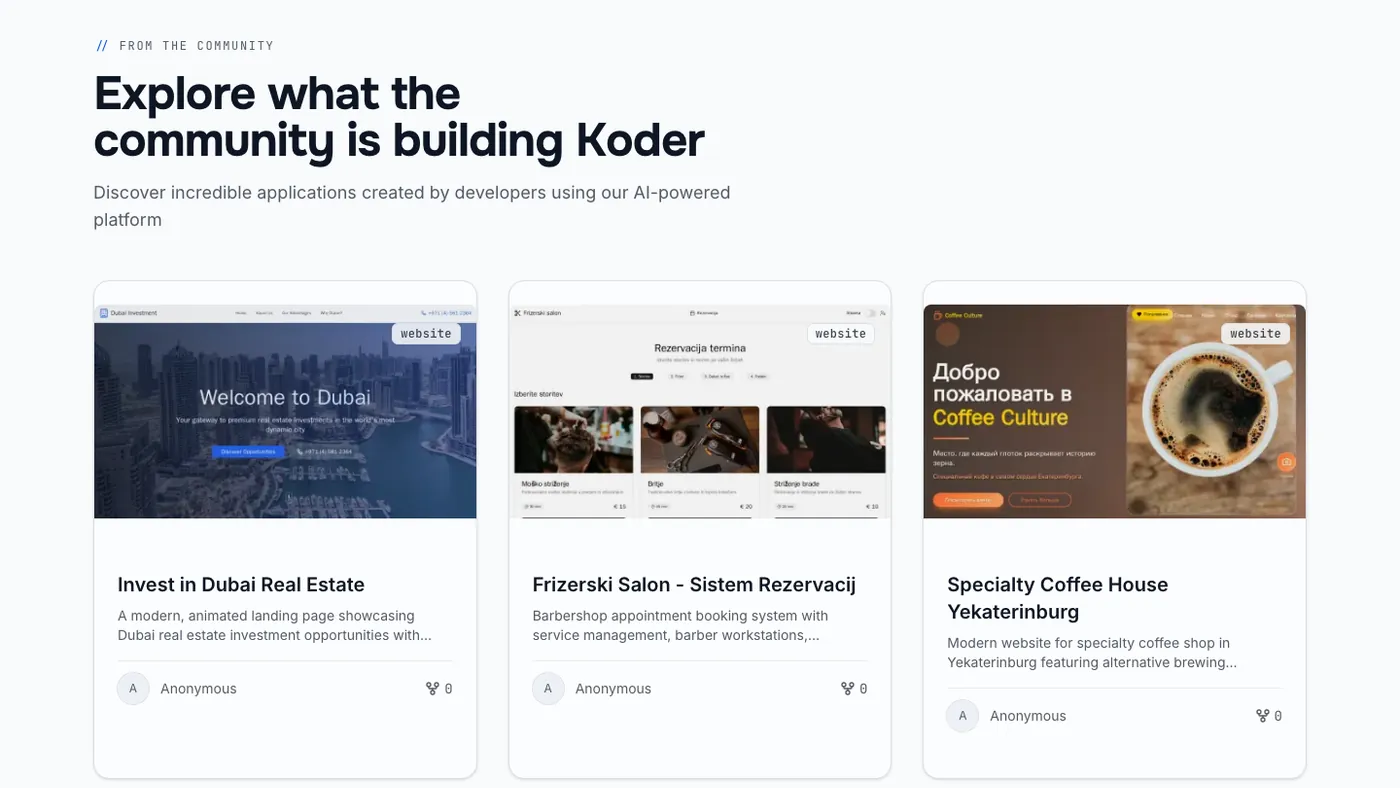
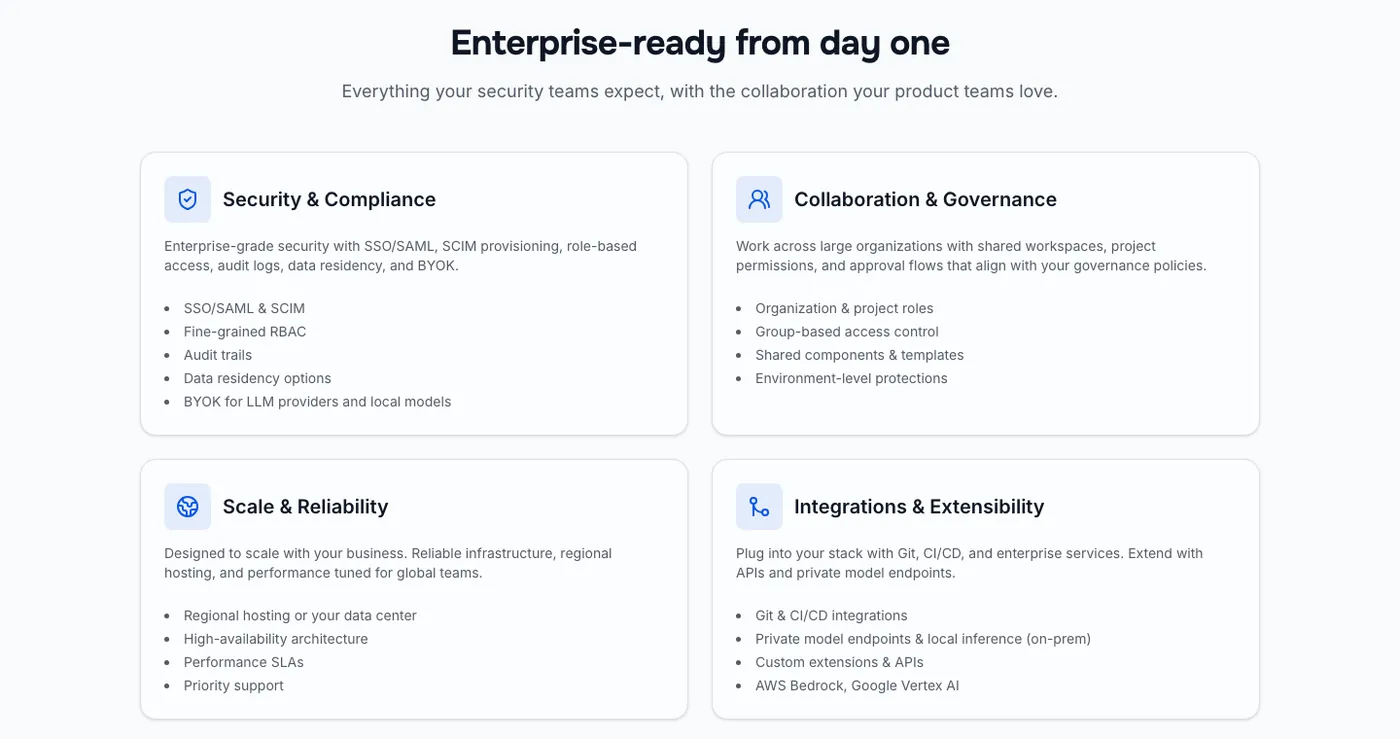
The builder with the chat and the running app side by side, the start screen, apps users have built, and what the enterprise plan adds. The pictures are from koder.ai.
The starting point
Koder.ai lets a person describe an application in a chat and get the code, a live preview and a published app. One conversation can produce a React web app, a Go backend with PostgreSQL and a Flutter mobile app, and the user can export the code or keep editing it by hand.
A team of two built everything behind it in six weeks: the agents that write the code, a container for every project, hosting and domains, the work with model providers, and servers in several countries. That is the scope a funded company usually staffs with several departments.
What we did
Two agents that do a developer's daily work
I designed the architecture around two agents. A planner coordinates the work, and an executor does the file operations: create, edit, search, lint, build. Every project runs in its own Docker workspace with a dev container and hot reload, and every version is kept in Git, so one user's broken build never touches another user's app and any mistake can be rolled back.
From an idea to a working app in 2 to 5 minutes
The user describes the app, or starts from a screenshot or a Figma file. The agents write a React and Tailwind codebase, start the dev container and show a live preview within seconds, and a first working app is ready in 2 to 5 minutes. The same chat can go on to produce a Go backend with PostgreSQL and a Flutter mobile app. The user sees a working product before a traditional team would have finished the spec.
Code the customer owns, so lock-in never blocks a sale
The platform has a code editor with a file tree, a visual editor, a database editor, snapshots with rollback and a planning mode. On paid plans the user can export the code or connect it to GitHub, which answers the lock-in objection that stops many buyers of app builders.
One click to publish, in the region the data rules require
One click builds the app, uploads it to S3-based hosting and serves it through Caddy and a CDN, on a system domain or the user's own, with SSL issued automatically. I set up the infrastructure in several countries so an app can run where its data rules require, and on the Business plan the customer picks the hosting region. Customers meet data-residency rules without an operations team of their own.
Inference cost cut in half: several providers plus our own models
I built the model layer, which routes requests across several model providers and our own models and inference, so no single vendor sets the platform's prices or its uptime. Our own models and the routing cut the cost of inference by 50%, which matters on a platform where every chat message is a model call. Enterprise customers can bring their own keys, use AWS Bedrock or Google Vertex AI, or run local models in their own data center.
Security ready for enterprise buyers from the first release
I designed the security. All access to the app and the API goes over TLS, projects are separated by workspace and organization, access is set by role at the organization, workspace and project level, and key actions leave an audit trail. Enterprise plans add SSO/SAML and SCIM, and payments go through Stripe, so card details never reach the platform and there is no card data to lose.
Six weeks and two people to reach 70,000+ users in 100+ countries
I also did the product design. A team of two built the platform in six weeks, a pace most in-house teams never reach. It now has more than 70,000 users in more than 100 countries, more than 35,000 apps have been created on it, and users add 500+ new ones every day.
The result
Two people built Koder.ai in six weeks, and more than 70,000 people in 100+ countries now use it to go from a chat to a published web, backend or mobile app, creating 500+ apps a day. The model layer I built halved the cost of inference, and the architecture I set up delivered a product of this scope at a fraction of the time and cost a conventional team would need.
What comes next
The platform's own plan for the next 12 to 24 months is agents that keep developing an app over time instead of generating it once, and more governance, audit and compliance features for Business and Enterprise customers.
Stack
- React
- Tailwind CSS
- Go
- PostgreSQL
- Flutter
- Docker
- Git
- Caddy
- S3 storage
- CDN
- Stripe
- AWS Bedrock
- Google Vertex AI
Full case · PDF
Koder.ai
Two people shipped an AI app builder in six weeks, not quarters, and 70,000+ people in 100+ countries use it
- 01The architecture: planner and executor agents, project containers, publishing
- 02The infrastructure in several countries and how an app's region is chosen
- 03Routing across model providers and our own inference to keep model costs down
- 04Security: separation between workspaces, access roles, enterprise sign-on
- 05The six-week plan, week by week, and how two people kept to it
- 06Running cost per generated app: models, containers, hosting
The full Koder.ai case
The public story stops here. The PDF has the rest: the architecture before and after, the migration plan, how the team works with AI agents, what it all costs to run and where the savings came from.
More case studies
All case studies
Want the next case study to be about your company?
In a 30-minute call we pick the first task to hand to AI and estimate what it will save you.