Technical speaker for accelerators: why office hours work
A technical speaker for accelerators does more than give a talk. Add office hours, and founders leave with clear fixes, sharper plans, and momentum.

Table of Contents
Why talks alone rarely help
A good stage talk can wake up a room. That does not mean it changes what founders do on Monday.
Most teams leave a session with notes, a few ideas to try, and the same old confusion about what deserves attention first. By the next morning, those notes compete with bugs, customer calls, hiring, investor updates, and the latest fire inside the product.
That gap is not usually the speaker's fault. It comes from distance. Early products are messy, and general advice rarely fits the product a founder has right now. One team is stuck on activation. Another cannot trust its analytics. Another keeps rebuilding the same feature because nobody agrees on the user problem.
Advice like "move faster," "talk to users," or "use AI in your workflow" sounds fine on stage because it has to fit the whole room. The trouble is that it rarely tells a team whether to fix onboarding, cut scope, repair a brittle workflow, or stop chasing the wrong customer. Startups rarely stall because they missed one big idea. They stall because one unresolved issue keeps blocking sales calls, product tests, or a promised demo.
Public Q and A rarely fixes that. It is short, it favors the loudest people, and many founders will not ask the real question when peers and staff are listening. "Our architecture is shaky" or "we still cannot explain what the product does" are honest admissions. They are not easy to say into a microphone.
This is where a technical speaker for accelerators can either help a batch move or leave it where it started. If the session ends with the slides, founders get motivation without direction. If the session continues into office hours, the advice gets tested against real products, real constraints, and real deadlines.
Why office hours work
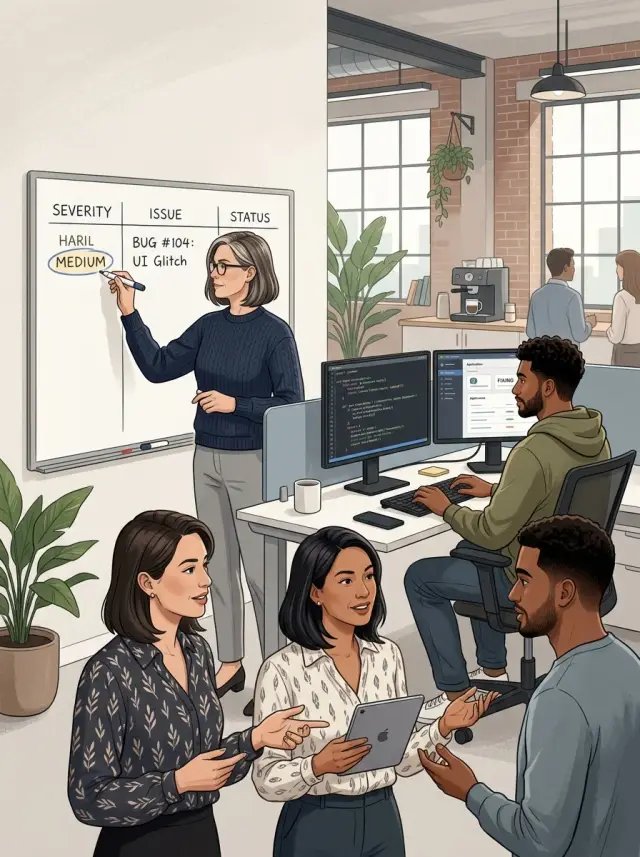
Office hours change the job. The speaker stops teaching in the abstract and starts diagnosing the problem sitting in front of them.
That shift matters because startup teams rarely need more theory in the moment. They need someone to look at the facts, ask a few direct questions, and say, "This part can wait. Fix this first." A founder can get that answer in 15 or 20 minutes if the conversation stays tied to one live issue.
Founders also tend to mix urgent problems with noisy ones. They worry about scale before they have steady usage. They debate tools when the real issue is weak product feedback. They plan an AI agent before they have clean data or one repeatable workflow. In office hours, an outside operator can sort that pile fast. One question about user behavior, team workflow, or who owns a decision often reveals where the week is actually being lost.
Small fixes often beat big ideas. A team might come in asking about system design and leave with a simpler answer: add one event to analytics, remove one step from onboarding, rewrite one prompt, or stop rebuilding the same internal tool every month. None of that sounds dramatic. It can still save days of wasted work.
The best sessions usually end with four clear points:
- the real problem named clearly
- one next step the team can finish this week
- one person who owns that step
- one simple check to see if it worked
That is the difference between a founder who leaves energized and a founder who leaves with a task.
Office hours work even better when the speaker has operated inside real companies, not just talked about them. Someone who has been a founder, CTO, or fractional CTO has seen deadlines slip, infra bills climb, products get overbuilt, and teams chase the wrong fix. That experience lets them spot the tradeoff behind a question, not just the surface symptom. Accelerators want progress during the batch. Office hours are where a good talk turns into applied problem solving for founders.
What founders need help with
Most founders do not need another high-level talk about architecture, AI, or product strategy. They need someone to look at the thing in front of them and say, "This is where users get stuck," or "You are about to spend six weeks on the wrong feature."
A common case is a product that mostly works, yet people vanish at one screen. Signup looks fine until users hit a permissions request, a pricing gate, or a form that asks for too much too soon. Founders often call it a marketing problem. Often it is a product flow problem.
The fix is sometimes boring. Add one line of explanation. Remove one field. Track one event. Move one step until after the user sees a result. Small changes beat weeks of guessing.
Another common problem is prioritization. Early teams have ten reasonable ideas and no clear order. They debate dashboards, billing, onboarding, AI features, admin tools, and mobile polish all at once. Everything feels urgent, so nothing gets finished properly. What helps is a sharper filter: which change is most likely to improve activation, retention, or revenue in the next few weeks? If a feature will not move one of those outcomes soon, it can wait.
AI plans need the same reality check. Teams hear big promises and start planning a copilot, an agent, and a full automation layer before they have clean inputs or stable workflows. The useful answer in office hours is often smaller: start with one narrow task, measure the result, and keep a human in the loop until the process is reliable.
Money makes these choices more concrete. A rushed decision about models, hosting, or workflow design can turn a small feature into a monthly bill the startup cannot carry. The same goes for infrastructure. Teams choose whatever feels fast today, then hit slow builds, rising cloud costs, weak observability, or painful rewrites a few months later.
Most founder questions are plain. Why do users stop here? What should we build first? Is this AI idea real, or are we fooling ourselves? Will this technical choice slow us down later? Those are practical questions. They need practical answers from someone who has shipped products, run production systems, and seen what breaks when early shortcuts pile up.
How to run a session that helps
A good session starts before anyone joins the room. Match the topic to the batch stage. Early teams need help with scope, first architecture choices, and where AI can save time right now. Later teams care more about scaling, hiring, technical debt, and production issues. Miss the stage, and the talk sounds smart but solves nothing.
Ask founders for questions two or three days before the event, not five minutes before it starts. Keep the intake short: company name, product stage, one technical problem, and one decision they need to make this week. That is enough context for the speaker to shape the talk around real friction instead of generic advice.
The schedule matters more than most programs expect. Put office hours right after the talk while the examples are fresh. Short slots work well because they force focus. Twelve to fifteen minutes is often enough if each team arrives ready and knows they get one problem, not a full company review.
A simple flow works well. Start with a short talk built around the most common issues in the batch. Leave a few minutes for group Q and A so founders can hear shared patterns. Then move straight into office hours on the same day. Tell each team to bring one live blocker, not a broad update, and end every slot by writing down the decision, the next action, and who owns it.
That last step gets skipped all the time, and that is where much of the value disappears. Founders leave feeling clear, then lose the thread by the next morning. A shared note fixes that. Keep it plain: the problem, the advice, what the team will test, and when they will decide whether it worked. If the accelerator manager keeps those notes in one place, follow-up becomes much easier.
Set one firm rule for the office hours themselves: one team, one problem. If a founder says, "We also want to ask about hiring, pricing, and cloud costs," make them pick the issue that blocks progress this week. A narrow question gets a usable answer. A sprawling question gets half an answer and no decision.
A simple example from one batch day
A startup with three people came into office hours with a common problem. Signups looked decent, and the founders felt good about demand. But very few users reached the first real success point inside the product.
The numbers were simple. In two weeks, 240 people signed up. Only 28 finished onboarding, and only 9 used the main feature the team cared about.
The talk earlier that day had covered activation, funnels, and user dropoff. The ideas were sound. The office-hour conversation finally made them usable because the team could show the actual onboarding flow on a laptop and talk through what users saw.
On the second screen, new users had to choose between two setup paths with labels that made sense to the team, not to new users. People had to guess. On the next screen, the product asked for a long piece of information before users had seen any result. That was the second point of friction.
One question exposed another gap: "What metric tells you this step works?" The team tracked signups and trial starts, but they did not track whether users completed each onboarding screen. They knew users were dropping somewhere. They did not know where.
In about twenty minutes, the problem got smaller. The team did not need a full redesign. They needed to rename the two setup options in plain language, move the longer input step until after the first result, add event tracking for each screen, and test the revised flow with five new users before changing anything else.
That is the quiet payoff of founder office hours. A good technical speaker for accelerators can turn vague concern into one test, one metric, and one product decision a team can act on right away.
Mistakes that waste founder time
Founders lose time when a session looks useful on paper but never gets close to the real work. The most common failure is simple: the accelerator books someone who gives a polished talk, answers two easy questions, and leaves before any team can apply the advice.
That kind of session can be entertaining. It rarely changes a week of work. Founders do not need a stage performance. They need someone who can stay in the room, ask a few sharp questions, and help turn a messy problem into a next step.
Another mistake is letting founders ask huge questions with no context. "How should we build our product?" or "What AI stack should we use?" sound important, but they are too vague to answer well. Without the product, team size, budget, deadline, and current bottleneck, the response becomes generic fast.
Too many teams packed into one hour cause the same problem. Ten rushed conversations give everyone half an answer. Four focused sessions usually do more. There is also a limit to what anyone can solve on the spot. Some issues need a deeper look at code, architecture, metrics, or customer flow. A good mentor does not pretend otherwise. They narrow the problem, point to the next test, and say what can wait.
Then there is follow-up. If nobody sends notes, advice turns into fragments of memory. The better pattern is almost boring: keep the talk short, collect context early, limit the number of teams, end each conversation with one clear action, and send notes the same day.
This is where startup accelerator mentors with operating experience usually outperform pure speakers. A fractional CTO for startups, or another operator with similar experience, often knows when to go narrow, when to defer a harder issue, and how to leave a founder with a decision that still makes sense on Monday.
Start small and measure progress
Accelerators do not need a big rollout to test this format. Start with one pain point that shows up in every batch: weak product scoping, messy architecture choices, slow AI prototyping, or unclear infrastructure costs. Run one pilot with a small group, give the speaker a short talk, and keep time for real office hours right after.
The test is simple. A week later, did founders make a cleaner decision, cut work from the backlog, fix one blocker, or get to launch faster? If yes, the format worked. If all they have is a page of notes, it did not.
Speaker choice matters more than the slide deck. The best person for this job can switch from explanation to diagnosis without turning every conversation into a pitch. They hear a founder describe a stuck product, ask two or three direct questions, and find the blocker underneath the story. Often it is smaller than the founder thinks. Sometimes it is a bad scope decision. Sometimes it is a fragile data flow. Sometimes the team is building before they have picked the one use case customers will pay for.
If an accelerator wants someone who can handle both the group talk and the one-on-one problem solving afterward, advisors like Oleg Sotnikov at oleg.is fit that model well. His background spans work as an engineer, founder, CTO, and startup advisor, and he helps teams with product architecture, AI-first development, automation, and lean infrastructure. That mix is useful because founders do not bring neat textbook problems to office hours.
Keep the first version small, watch what changes for founders over the next week, and only then make it part of the program. That is usually enough to tell you whether the batch needed another speaker or someone who could stay and help.
Frequently Asked Questions
Why do office hours help more than a talk alone?
A talk can give founders ideas, but office hours turn those ideas into one decision they can use this week. In a short one-on-one chat, a speaker can look at the product, ask direct questions, and point at the blocker that actually slows the team down.
How long should each office hour slot be?
Keep it short. About 12 to 20 minutes usually works best because it forces the team to bring one live issue instead of a full company review.
What should founders bring to office hours?
They should bring one blocker, the screen or workflow involved, and the decision they need to make this week. If they have numbers, bring simple ones like signup drop-off, activation rate, cloud spend, or model cost.
Why should each team ask about only one problem?
Because a narrow question gets a usable answer. If a team tries to cover hiring, pricing, onboarding, and cloud costs in one slot, they leave with vague advice and no real decision.
What makes a good technical speaker for an accelerator?
Pick someone who has built and run real products, not someone who only gives polished talks. Founders get better help from an operator who has dealt with product scope, deadlines, infra costs, analytics gaps, and messy team decisions.
Can office hours help with AI planning?
Yes, but only if the team stays specific. The most useful office-hour answer often starts smaller than the founder expects, like testing one narrow task, cleaning one input, or keeping a human review step until the workflow works well.
How do we know if the session worked?
Look for one clear change after the session. A good result might be better activation, cleaner onboarding data, a smaller backlog, a cheaper technical choice, or a faster path to launch.
How many teams should an accelerator schedule in one session?
Fewer teams usually means better results. Four focused conversations often do more than ten rushed ones because each team gets enough time to explain the problem and leave with a clear next step.
What mistakes waste founder time in these sessions?
The usual failure is simple: the program books a speaker, runs a talk, takes a couple of broad questions, and stops there. Other common problems include no founder intake before the event, no written follow-up, and no rule that forces teams to pick one blocker.
Should early-stage and later-stage startups get the same session?
No. Early teams often need help with scope, first product flow, and simple technical choices. Later teams usually care more about scaling, debt, hiring, observability, and cost control, so the talk and the office hours should match that stage.