Hiring a startup CTO for an established business: what to test
Hiring a startup CTO inside an established business takes more than checking technical depth. Use simple tests for judgment, patience, and rollout timing.
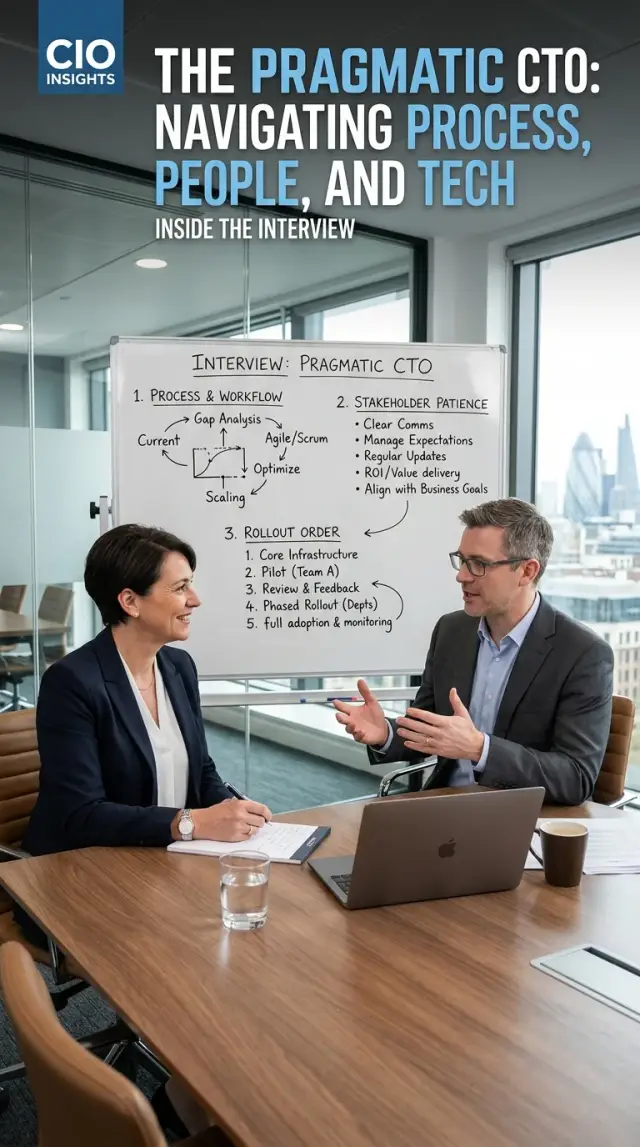
Table of Contents
Why this hire often fails at good companies
A startup CTO often succeeds by moving before everyone else feels ready. In a young company, that can work. In an established business, speed on its own can damage trust.
Good companies already have people protecting uptime, budgets, compliance, and team morale. When a new CTO pushes hard in the first few weeks, those managers usually do not see bold leadership. They see a higher risk of outages, missed deadlines, extra spend, and tired teams.
The problem is that small changes in engineering rarely stay inside engineering. A new release flow can change how support handles incidents, how finance approves tools, how sales talks about reliability, and how security reviews access. What looks like a simple fix to the CTO can create a month of extra work for four other teams.
That is why this hire often disappoints even when both sides look strong on paper. The company wants more pace. The candidate wants fewer delays. Both goals are fair. The match breaks when either side treats caution or speed as a personality flaw instead of a business condition.
Many firms also miss the social memory inside the company. A sales manager may still remember the last outage. Finance may already be tired of tool churn. Support may know that one small backend change creates fifty customer tickets by Friday. If the CTO does not stop long enough to hear that context, people start blocking ideas before they even see the plan.
You are not hiring for technical range alone. You are hiring for judgment. The right person knows when to leave an awkward process alone for a quarter, when to fix it now, and how to change one layer at a time so teams can absorb it without losing confidence.
Define success before interviews
A startup CTO can look impressive and still miss the job you actually need done. Before the first interview, write down the business problems this person must solve in the first 12 months. Keep them concrete: reduce release delays from three weeks to five days, stop expensive tool overlap, rebuild trust after missed delivery dates, or make incidents easier to handle. If the goals stay fuzzy, the search turns into a personality contest.
Next, name the people this CTO will work with every week. In an established business, that list usually goes well beyond product and engineering. It often includes finance, operations, sales, support, compliance, and a CEO who wants fewer surprises. Some candidates are excellent inside a small team but lose patience when progress depends on other departments.
You also need to decide where you want faster change and where you want stability. That line should be clear before interviews start. You may want faster product delivery, better developer tools, or more automation in internal workflows. At the same time, customer billing, security controls, and reporting may need a slower hand. Good CTOs know the difference. Weak ones try to remake everything at once.
A simple scorecard helps. Rate only behavior you can actually spot:
- Process judgment - Do they know when process protects the business and when it is just drag?
- Stakeholder patience - Can they explain tradeoffs without sounding irritated?
- Rollout order - Do they stage change in a way people can absorb?
- Fit for year one - Are they solving your problems, or replaying the last company?
Use the same scorecard in every interview. Ask each interviewer to write one short piece of evidence for every rating. If someone gives a candidate a high score for process judgment, they should point to a real answer, not a general feeling. That small step prevents a lot of bad hires.
Test process judgment
Process judgment is not about whether a candidate likes process. It is about whether they can tell the difference between waste and protection.
That matters when you hire a startup CTO into a company with customers, audits, contracts, and teams that depend on each other. A blunt "cut half the steps" answer sounds bold, but it usually means trouble.
Give the candidate a messy workflow. Make it real enough to create tension. For example, a customer asks for a billing change, sales already made a pricing promise, finance needs an approval, and the product team must ship a small fix before month end.
Then ask what they would change first.
A strong answer starts with questions, not slogans. Good candidates ask who owns each step, which steps protect revenue, where compliance risk sits, and what customers would notice if something broke. If they do not ask about ownership, they are guessing.
Listen for tradeoffs. You want someone who says, "I would keep the approval that prevents bad invoices, but I would remove the duplicate handoff between two managers," not someone who treats all process as bad.
A short scoring check is enough:
- Did they ask who owns each step?
- Did they separate safety checks from busywork?
- Did they explain what to change now versus later?
- Did they name a way to measure the result?
Then push one step further. Ask how they would prove the change worked.
Strong candidates pick a few plain measures: cycle time, error rate, missed invoices, customer complaints, or rework. Better still, they suggest a small pilot before changing the whole company. Restraint is often a better sign than speed.
Test stakeholder patience
A candidate can sound decisive in a technical debate and still fail when two leaders outside engineering push back for different reasons. Patience is not about being polite. It is about getting change through people who have budgets, deadlines, and solid reasons to say no.
Start with a real story. Ask for a time they had to win over a skeptical operations lead who thought a proposed change would disrupt the team. Push past the polished version. Ask what the operations lead feared, what the candidate misunderstood at first, and what they changed after the first conversation.
Good answers usually sound calm and specific. The candidate names concerns in plain language, explains how they earned trust, and shows that they did not treat resistance as ignorance. Weak answers often jump straight to "I explained the logic" or "they came around once they saw the data." That usually means they expect agreement too quickly.
A short role play works even better. Give them this setup: finance approves slowly because spending is under review, and sales is nervous because any system change could hurt quarter-end targets. Ask the candidate to lead a 10-minute meeting.
Watch for a few things:
- Do they ask each person what success and risk look like from their side?
- Do they turn the conflict into a shared problem instead of a fight between teams?
- Do they stay steady when one person repeats the same objection?
- Do they keep the discussion moving toward a next step?
- Do they call people blockers too early, even in subtle ways?
The strongest candidates listen first, then narrow the problem. They might say, "Finance needs spend control, and sales needs stability. We can test this in one team first and review the cost after two weeks." That kind of answer shows restraint. It also shows they can hold their point without turning the room against them.
Pay attention to their questions. Patient leaders ask who owns the risk, what deadline cannot move, and what failure would look like for each team. Impatient leaders argue before they understand the limits.
Score the exercise on behavior, not charm:
- Listening - Did they let people finish and reflect concerns back clearly?
- Reframing - Did they turn personal tension into a practical tradeoff?
- Curiosity - Did they ask useful questions before pushing a solution?
- Composure - Did they stay focused when others pushed back?
- Judgment - Did they choose a next step that felt realistic for both teams?
One warning sign is easy to miss. Some candidates use soft language but still blame others underneath it. If they describe finance as slow, sales as emotional, or operations as resistant, they will burn trust fast after hiring. Established businesses rarely need more force. They need someone who can move change at a speed the company can absorb.
Test change sequencing
Change sequencing tells you whether a CTO can improve a stable business without breaking it. Startup leaders often move fast by default. In an established company, speed still matters, but the order of changes matters just as much.
A good interview prompt gives them too much to fix at once. Try this: "Revenue teams want a new customer portal, engineers want to replace the deployment stack, and support is drowning because outages still hit the same two workflows. What happens first, what waits, and why?"
The best answers do not chase the loudest request. They protect customer work, reduce risk, and buy room for the next change. If a candidate tries to start all three in parallel, that is usually a bad sign.
Ask them to stage the work across people, tools, and policy. Strong candidates often sequence it this way: stabilize the fragile area, run a narrow pilot, train the team that will carry the change, then lock in new rules after the new process works in real life. Weak candidates jump straight to tool replacement or new rules before the team is ready.
A few follow-up questions make this clearer:
- "What would you test with one team before a wider rollout?"
- "How do you keep uptime safe while this change is happening?"
- "What customer work do you freeze, and for how long?"
- "What would you postpone even if the idea sounds smart?"
Listen for concrete tradeoffs. Good candidates say things like, "I would delay the portal redesign for six weeks because outages cost trust every day," or "I would not change deployment tooling during peak season." That is the kind of judgment you want.
Established businesses pay for bad timing twice: once in downtime, and again in staff resistance. The right CTO still moves quickly, but knows when the company can absorb the next change.
Build a hiring process that shows real behavior
Polished interviews hide too much. Give every finalist the same plain brief about your company as it is today.
Keep it simple and concrete. Share the team size, current delivery pace, approval steps, old systems that still matter, budget limits, and where other leaders already feel tension. A short brief does more than a glossy story because it shows whether the candidate can work with reality instead of talking past it.
Then split the interview loop into three focused conversations. One should stay on systems: uptime, tech debt, release rhythm, support load, and how they decide what to fix first. Another should stay on people: how they handle a finance lead who wants predictability, an operations manager who fears disruption, or engineers who already feel overworked. The third should stay on tradeoffs, because senior hires earn trust by choosing what not to do.
Use the same case study for every finalist. That is how you make answers comparable instead of relying on gut feel. The case can be small:
- The product team wants faster releases.
- Finance wants lower infrastructure spend.
- Support sees more incidents.
- Engineering says the current process is slowing them down.
Ask each candidate what they would do in the first 30 days, what they would delay, who they would meet first, and what they would leave alone for now. Their answer tells you a lot without turning the session into theater.
After every interview, each interviewer should write notes before the group talks. Memory favors confidence and charm. Written notes catch the details: what the candidate heard, what they skipped, and where they rushed to change too much.
Only after that should you compare answers against your scorecard. Do that before salary talks begin. Once compensation enters the room, teams often talk themselves into a candidate they never scored clearly in the first place.
A simple example from a midsize company
A midsize manufacturer wants three things: reporting that people trust, fewer outages, and a lower software bill. The plants already run on a patchwork of tools, spreadsheets, and a few old integrations. Every hour of confusion has a cost. Finance sees it in rework and wasted licenses. Plant managers see it when a shift starts with bad numbers.
One CTO candidate says, "I would replace the reporting tools, clean out the old stack, and standardize everything in the first month." That sounds bold, but it misses how established companies work. If you swap tools before you understand the work, you usually move the mess instead of fixing it.
A better candidate starts by mapping the current flow: which reports drive daily decisions at each plant, who owns the data at each step, where people fix numbers by hand, which outage blocks production or shipping first, and which software costs a lot but solves a small problem.
That line of thinking shows judgment. The candidate wants to see the work, the owners, and the failure points before changing tools.
In this example, the most expensive issue is not the old reporting app itself. A nightly export fails twice a week, someone patches the file by hand at 6 a.m., and finance gets different totals than the plant team. A smart CTO does not begin with a full replacement. They fix the export, add clear ownership, set alerts, and remove one duplicate reporting license that no one really needs.
That sequence gives the business proof fast. Reports get cleaner, one source of outages disappears, and software spend drops a little right away. More important, the company learns whether the larger stack needs replacement or just better control.
Patience matters here too. Plant managers do not want a lecture about modern tooling while production is on the line. Finance does not want promises. It wants evidence over a few weeks. The candidate who says, "First I will map the flow, then I will fix the expensive bottleneck, then I will decide what to replace," usually fits an established business much better than the candidate who wants a reset in month one.
Mistakes that ruin the match after the offer
A bad match often starts before the new CTO writes a single line of policy. Many companies get pulled in by energy, confidence, and good stories from fast-moving teams. Those things help, but they do not tell you how the person runs meetings, handles handoffs, or works inside a business that already has people, budgets, and habits.
The first mistake is hiring for charisma instead of operating habits. A candidate may sound sharp in the room and still be poor at follow-through. Established companies need someone who can make clear decisions, keep a steady cadence, and explain tradeoffs without drama. If you do not check for that, the team pays for it later.
Another common mistake is giving a broad mandate with no limits. "Fix engineering" sounds simple, but it creates chaos if nobody defines what the CTO can change alone, what needs approval, and what must stay stable for now. A vague brief pushes the new hire to guess. In an established business, guessing turns into conflict fast.
Some companies also send mixed signals. The CEO wants startup speed. Finance, security, or operations still expect every old approval step. That burns out good people. If you want faster delivery, set clear rules about where speed is allowed and where review still matters.
Trust can break in the first week when the new CTO bypasses team leads and goes straight to engineers with new plans. That may feel efficient, but it tells existing managers that their role no longer matters. Good team leads then stop sharing problems early, and the CTO loses the people who know the real bottlenecks.
Another trap is judging success by how many tools the CTO swaps. New dashboards, new ticket systems, and a fresh CI setup can look like progress. Sometimes it is just motion. Better signs are simple: fewer release delays, calmer handoffs, clearer ownership, and less time lost in approval loops.
A short written 90-day plan prevents most of this. It should name decision boundaries, who the CTO must work through, and what results count in the first quarter. That keeps the hire grounded in the business they joined, not the startup they came from.
A short checklist before you decide
A strong final check is less about charm and more about judgment under limits. The best candidate usually sounds a bit restrained. They know when process protects the company, and when it only slows work down.
Ask yourself whether the candidate can explain both sides of process with real examples. If they want to remove every approval step, they may break things people rely on. If they defend every workflow as sacred, they may freeze the team.
Use this filter before you make the call:
- They can name one process they would keep and one they would change, and explain why.
- They speak about finance, sales, support, and operations with respect, not impatience.
- They rank proposed changes by risk, business value, and team capacity instead of personal taste.
- They asked enough questions about customers, margins, deadlines, compliance, and current team strain.
- Their first 90 days plan sounds realistic to your peers, not just impressive in the interview.
Trust matters outside engineering. A CTO can be brilliant with systems and still fail if department heads do not want to work with them. Listen for calm language. Good candidates do not treat other teams like blockers. They treat them like people carrying real constraints.
The ranking test is simple. Give them five possible changes and ask what they would do first. A good answer weighs risk, payoff, and whether the team can absorb the work right now. A weak answer jumps to the most exciting project.
Their questions also tell you a lot. If they spent most of the interview talking about architecture but barely asked about revenue, customer promises, or internal politics, they are still thinking like a startup builder dropped into someone else's business.
One last test helps. Put their 90-day plan in front of two or three peers outside engineering. If those people say, "This could work," you are close. If they say, "This will cause a mess by week three," believe them.
After you choose a candidate
A good hire can still fail if the first 90 days stay vague. Agree on three outcomes before the new CTO starts. Keep them concrete and easy to check: one business result, one team result, and one decision that should become clearer by the end of the quarter.
For example, a midsize company might ask for a map of the systems that create the most risk, a plan to cut one recurring outage, and a simple view of where engineering money goes. That gives the CTO room to think, but it also keeps the role tied to business reality.
Protect the business while they learn. Give the new CTO one safer pilot where they can test changes without putting revenue or trust at risk. At the same time, name one service, workflow, or customer area that must stay stable during the first stretch.
That balance matters. Startup leaders often move fast because they have to. In an established company, they need one place to experiment and one place where the answer is "do not break this."
Access shapes the result too. If the CTO only hears from engineering, they will miss half the picture. Give them direct access to finance, operations, and real customer feedback early. A weekly meeting with each group for the first month is usually enough to surface hidden constraints, budget limits, and pain that never shows up in a dashboard.
If your team still feels unsure, get a second read before the first month locks in bad habits. Oleg Sotnikov at oleg.is works as a Fractional CTO and startup advisor, and this kind of outside review can help pressure test the 90-day plan, the pilot choice, and the communication rhythm without taking over the search.
The goal is simple: clear limits, clear access, and clear proof points. That gives the new CTO a fair runway and gives the business a clean way to judge progress.
Frequently Asked Questions
Why do startup CTO hires often struggle in established companies?
They often push for speed before they learn why the company moves carefully. In an established business, small engineering changes can hit support, finance, security, sales, and uptime all at once.
The problem usually is not skill. It is judgment. A good fit knows what to leave alone for now, what to fix first, and how fast the company can absorb change.
What should we define before we start interviewing?
Write down the business results you want in the first 12 months. Keep them concrete, like shorter release cycles, fewer outages, lower software spend, or better trust after missed deadlines.
Also decide where you want faster change and where you want stability. If you leave that vague, interviews turn into debates about style instead of business needs.
How can we test process judgment in an interview?
Give the candidate a messy workflow with real tension, such as billing approvals, a sales promise, and a month-end fix. Ask what they would change first and why.
Strong candidates ask who owns each step, which steps protect revenue or compliance, and what customers would notice if something broke. That shows they can tell protection from busywork.
What does a good process judgment answer sound like?
Look for tradeoffs, not slogans. A strong answer sounds like, "I would keep the approval that prevents bad invoices, but remove the duplicate handoff between two managers."
You also want a simple way to measure the result, such as cycle time, error rate, rework, or customer complaints. If they want to change everything at once, expect trouble.
How do we test stakeholder patience?
Use a short role play with two leaders outside engineering, like finance and sales. Give them different concerns and ask the candidate to lead a 10-minute discussion.
Watch whether they ask each side what success and risk look like, reflect concerns back clearly, and move the group toward a realistic next step. Patience shows up in how they handle resistance, not in how nice they sound.
What red flags should I watch for when they talk about other teams?
Be careful if they describe finance as slow, sales as emotional, or operations as resistant. Even soft wording can hide blame.
Another warning sign is rushing to "explain the logic" instead of asking questions first. People who do that often burn trust after hiring because they argue before they understand the limits.
How do we test change sequencing?
Give them too much to fix at once. For example, ask them to choose between a new customer portal, a deployment stack replacement, and recurring outages in support-heavy workflows.
A strong candidate protects customer work first, reduces risk, and stages the rest. If they try to run every big change in parallel, they probably do not manage timing well.
Should every finalist get the same case study?
Use the same brief, case study, and scorecard for every finalist. That makes answers comparable and keeps charm from carrying too much weight.
Ask interviewers to write notes before the group talks. Written evidence helps you spot what the candidate heard, what they skipped, and where they rushed.
What should a new CTO’s first 90-day plan include?
Keep it short and concrete. Ask for one business result, one team result, and one decision that should become clearer by the end of the quarter.
You should also set boundaries. Give them one safe pilot for testing change and name one service or workflow they must keep stable while they learn the business.
When does it make sense to get an outside CTO advisor involved?
Bring in an outside advisor when your team feels split, the role has broad scope, or you want a second read on the 90-day plan. A fresh view can pressure test the pilot, decision boundaries, and communication rhythm.
That works best when you use it to reduce risk, not to replace your own judgment. The company still needs to decide what success looks like and what must stay stable.


